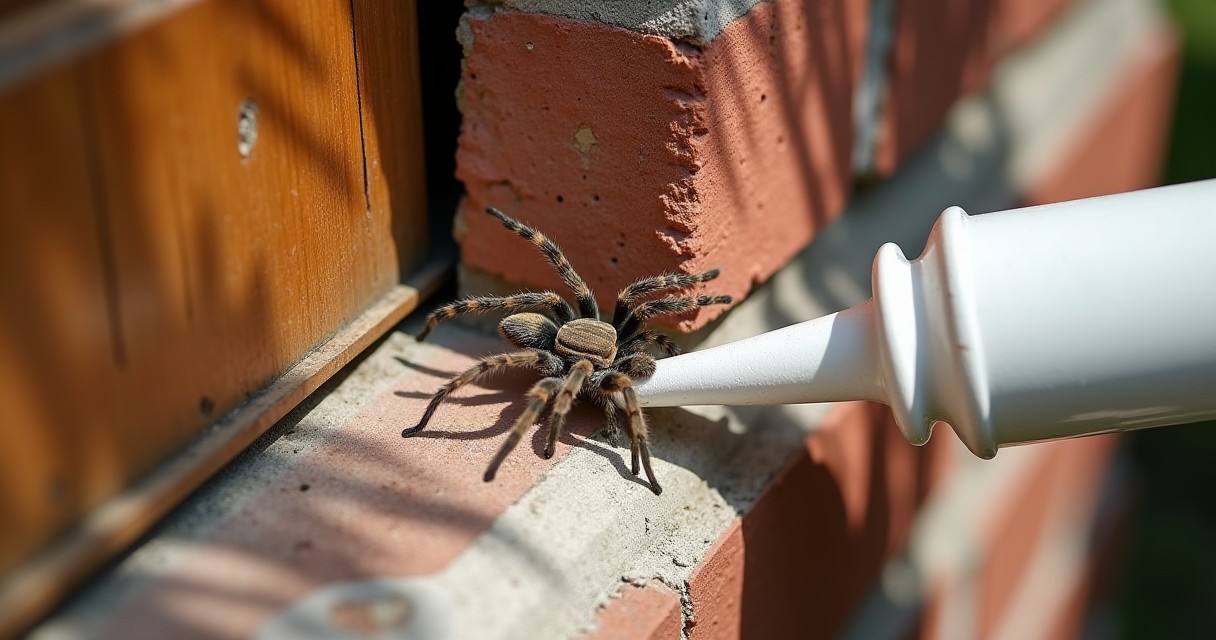
Do you often find spiders inside your house? Many homeowners in Central Florida face this common problem. Spiders are a major part of our local ecosystem. However, they do not need to be inside your living space. You can take control with smart spider entry prevention methods. These steps will help keep your indoor areas safe and clean.
Florida is known for its unique climate. Our region has high humidity and subtropical conditions. These factors create a perfect breeding ground for many spider species. The warm Florida temperatures allow spiders to stay active all year long. This constant activity means they are always looking for new places to hide. They often move toward nearby structures like your home when the weather changes. Because they are so active, you may see them more often in your rooms.
Identifying Where Spiders Enter Your Home
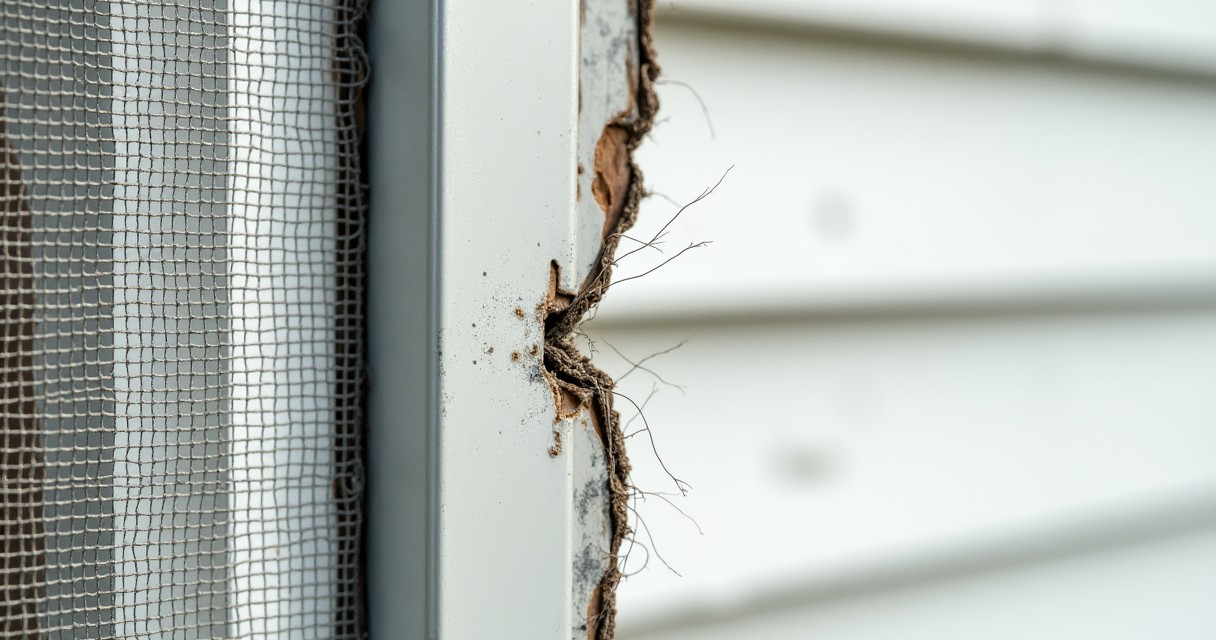
The first step in spider entry prevention is finding their path. You must know where they enter to stop them effectively. Most spiders find their way inside through window screens. These screens act as the first line of defense for your house. However, these defenses can fail over time due to wear and tear. You should inspect your screens very closely today.
Look for any small holes in the mesh fabric. Even a tiny puncture from debris can let a spider crawl through. Over time, wind or heavy items can cause the mesh to tear. A torn screen is an open door for unwanted guests. If you see a hole, it needs immediate repair. Small gaps provide easy access for spiders of all sizes.
You must also check the seams of the screen. The edges where the mesh meets the frame are common weak spots. Check if the mesh is pulled tight against the frame. If it is loose, spiders can squeeze through the sides. You should look at every inch of the perimeter of each screen. A thorough inspection helps you find these hidden paths.
Another critical area involves the gap between the window frame and the wall. Sometimes the screen itself is fine but the structure around it is not. These gaps allow spiders to bypass the mesh entirely. They can crawl behind the frame and enter through cracks in your siding or masonry. You must look for any space that feels loose or open. Identifying these structural flaws is vital for long-term success.
Why Simple Fixes Often Fail
Many homeowners try quick fixes to stop spiders from coming inside. One common method is spraying chemical repellents on the outside of the screen. While this might provide a temporary barrier, it is not a permanent solution. Repellents can wash away in the rain or fade in the sun. They do not physically block the spider's path through a hole.
Another common mistake is relying on curtains or blinds to keep spiders out. This method only hides the problem instead of solving it. If a spider enters through a screen, it stays inside your room behind the fabric. You may not see it as often, but it is still in your home. Closing the curtains does nothing to stop their entry at the window line.
You must focus on physical barriers rather than just temporary deterrents. A physical barrier stops the spider from moving into your personal space. This creates a much more reliable way to maintain a pest-free environment. If you want long-term results, you must seal the entry points completely. Simple tricks like sprays or curtains do not address the root cause of the problem.
Strengthening Your Window Defenses
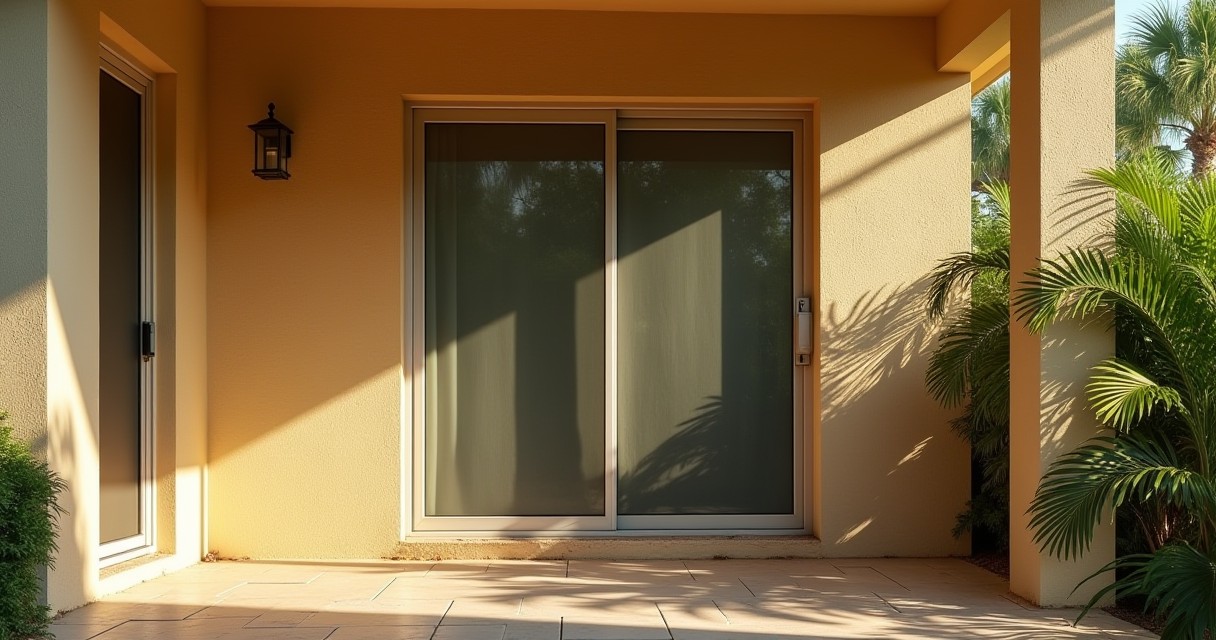
To improve your spider entry prevention, you should upgrade your materials. Standard screens can be weak over time. You can replace damaged mesh with high-density polyester or fiberglass screening. These materials are much tougher than standard options. They provide a very strong physical barrier against crawling insects like spiders and ants.
High-density polyester is durable and resists tearing well. It stands up better against the elements in Central Florida_ weather. Fiberglass is also an excellent choice for your home’s exterior. It is incredibly tough and does not stretch easily. This means it stays tight against the frame even during high winds. Replacing old mesh with these materials makes your screens much more effective.
When you replace the mesh, ensure the installation is perfect. The screen should be tucked tightly into the frame. Any gap in the seal allows spiders to crawl underneath the fabric. You want a continuous barrier from one side of the window to the other. A professional-grade material provides peace of mind for your household. It ensures that the mesh stays intact even if debris hits it.
Sealing Gaps and Using Proper Materials
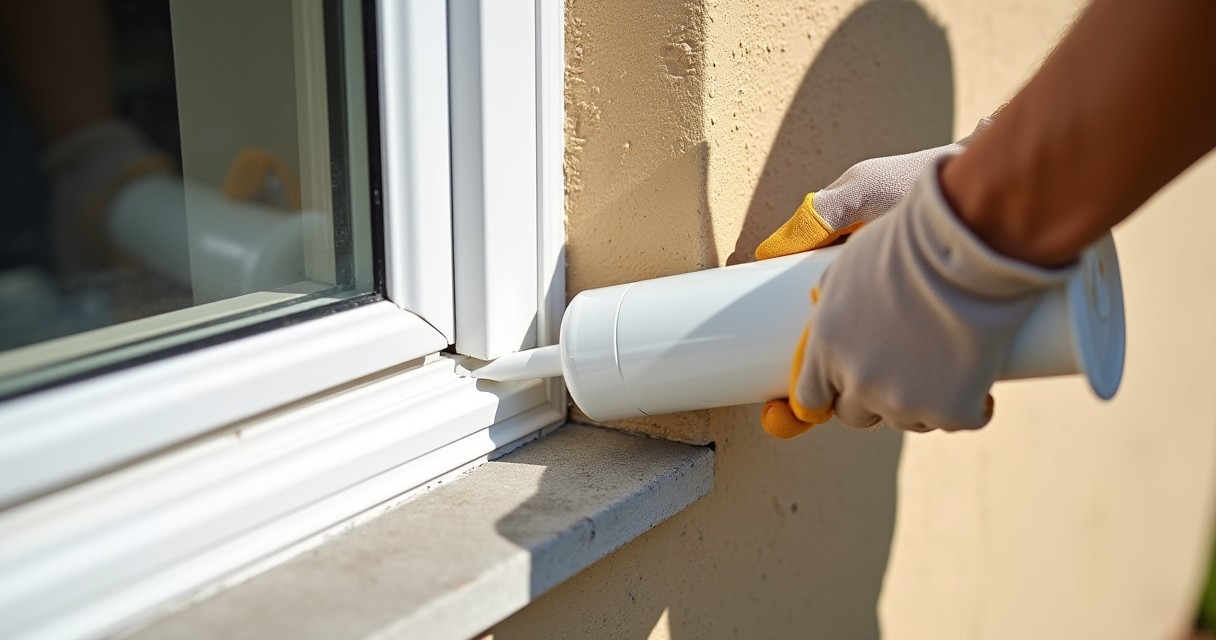
Sealant is another critical component of spider entry prevention. You should apply silicone caulk to all gaps where the frame meets the wall. This creates a permanent seal against the exterior structure. Spiders cannot pass through solid silicone once it cures. It fills in tiny cracks that you might not even see with your eyes.
Caulking is essential for any window that sits against an exterior wall. Even a gap as small as a coin can let a spider inside. By filling these gaps, you remove their ability to bypass the screen. This step provides a secondary layer of security for your home's interior. It prevents them from finding hidden routes into your living areas.
For sliding windows, additional steps are often necessary. These windows have moving parts that create potential openings. You should install heavy-duty weather stripping on these specific types of windows. Weather stripping creates a tight seal against the frame when it is closed. It acts as an extra barrier for very small pests. This helps ensure that even tiny spiders cannot squeeze through the gaps.
Managing the Environment Around Your Home
Your home's exterior environment also affects how many spiders you see inside. Spiders look for homes and food sources near your walls. You can reduce their numbers by managing the area outside your windows. Remove all outdoor debris from the immediate perimeter of your house. This includes piles of leaves, grass clippings, and mulch.
Large piles of organic material provide a perfect home for spiders to live in. If they have a nearby habitat, they will naturally seek out your home. Removing these items takes away their preferred hiding spots. By cleaning up the yard, you reduce the population of spiders near your entry points. This makes it less likely that they will find your windows as an option.
Mulch can also hold moisture and create a damp environment for pests. You should keep the area directly against the foundation clear. A clean perimeter acts as a buffer zone between nature and your home. It reduces the number of spiders looking to move indoors during humid Florida nights. Good yard maintenance is a key part of long-term pest management.
When Professional Help Is Necessary
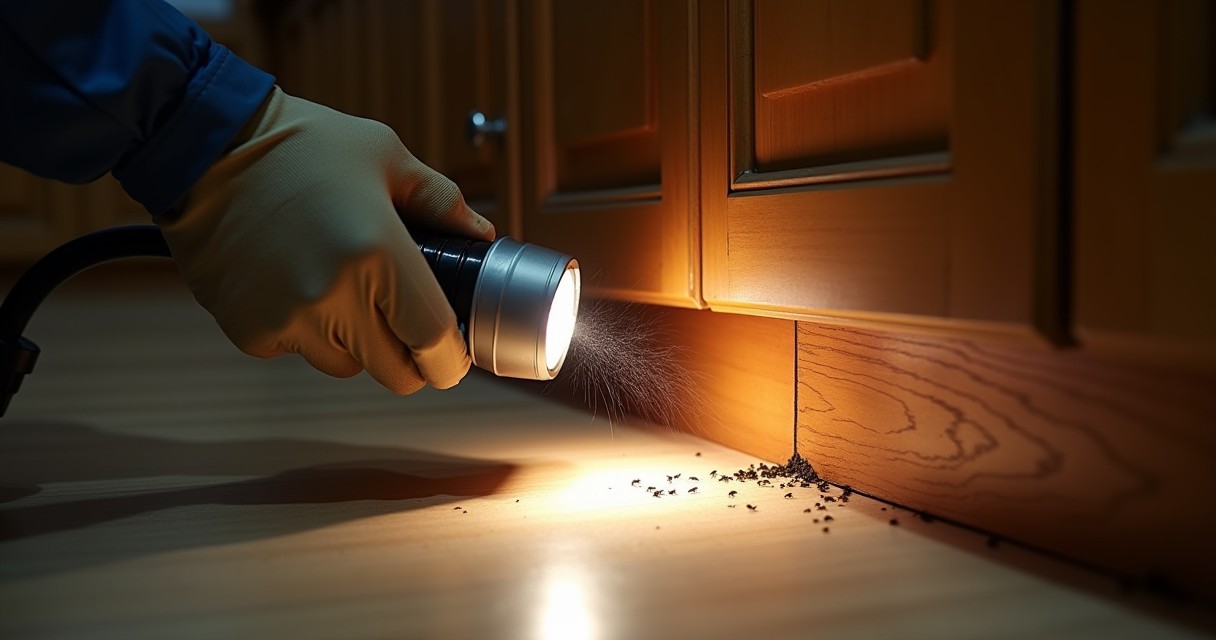
Sometimes, identifying and fixing every gap is difficult for a homeowner. You might find structural gaps that are hard to reach or seal manually. Some areas may require specialized tools to properly secure the screen frames. If you see persistent infestations despite your best efforts, it is time to call in the experts.
Persistent issues often mean there are hidden entry points you have missed. Professional technicians can perform a thorough inspection of your entire property. They look for every possible crack and opening that spiders might use. At Killzone Exterminating Inc., we specialize in finding these hidden paths. We can provide professional solutions to keep your home safe from unwanted crawlers.
Our team understands the unique challenges of the Central Florida climate. We know how local conditions impact pest behavior in our area. We offer comprehensive services for homes and businesses throughout Deltona and surrounding areas. If you are tired of seeing spiders on your windows, we can help. Our experts provide both immediate treatment and long-term prevention strategies.
We can address issues like roaches, ants, and spiders with professional expertise. We treat the interior and the exterior perimeter to stop pests from moving in. When you have a complex problem, a licensed and insured team provides peace of mind. Contact Killzone Exterminating Inc. today to secure your home against unwanted visitors. Our team is available Monday through Saturday to help you find lasting solutions.
Maintaining a bug-free home requires a mix of good maintenance and professional care. By fixing your screens and sealing your frames, you create a strong defense. You can enjoy your Florida home without worrying about spiders in your living room. Take the first step today by inspecting your window screens for any signs of wear. A proactive approach is the best way to ensure a comfortable and pest-free environment.
Dealing with this right now?
Licensed, insured, and local. Free estimates across Volusia and Seminole County.