
Many homeowners in Central Florida face a common pest problem during the humid summer months. You might notice small, silvery insects scurrying across your floor or hiding in your storage areas. These pests are known as silverfish. If you see these insects in your bathroom or closet, you are not alone. Understanding why silverfish thrive in these specific spots is the first step toward a pest-free home.
The Connection Between Humidity and Silverfish
Silverfish are moisture insects first and foremost. They do not just happen to live in wet places; they actively seek out moisture to survive. Florida experiences high humidity levels during the summer rainy season. This environment creates the perfect habitat for these pests. They thrive because the air feels heavy and damp.
When the humidity rises, silverfish feel more comfortable moving around. They prefer areas where water lingers or where moisture sits in the walls. Because of this need for water, they gravitate toward specific rooms in your home. Your bathroom is often the primary target for them. It contains sinks, tubs, and tile grout that hold moisture. Laundry rooms are also high-risk zones because of the steam from washing machines.
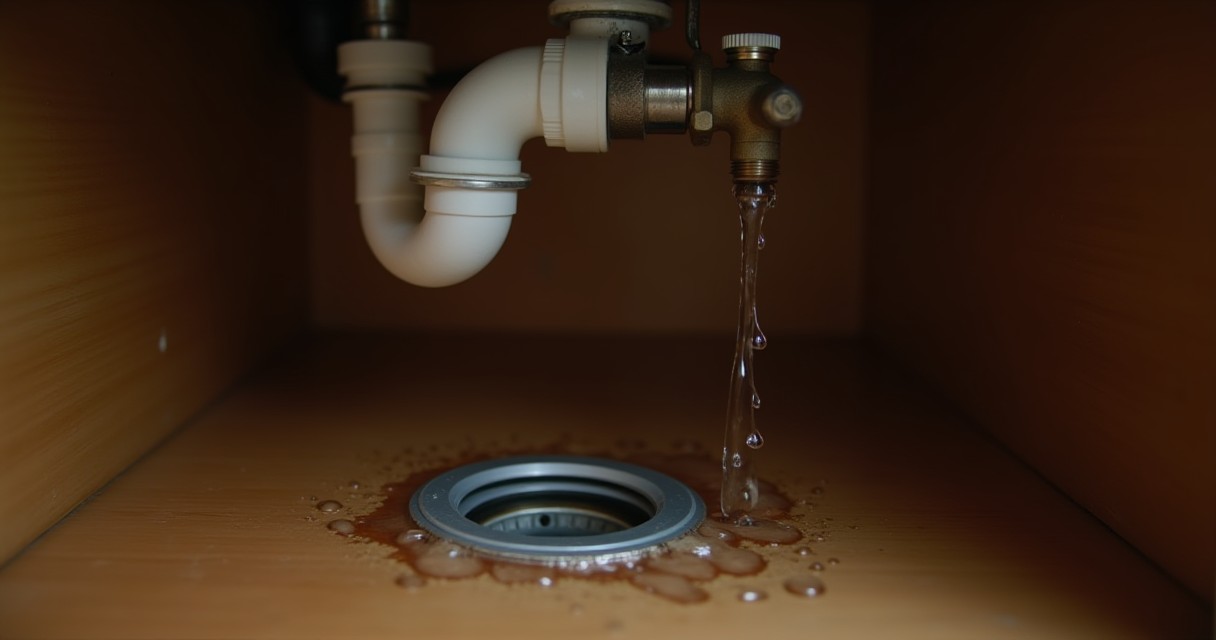
Under kitchen sinks and bathroom vanities provide even more opportunities. These areas often have slow leaks or damp pipes. If a pipe drips slightly, it creates a permanent water source for the insects. They will move into these spaces to stay hydrated and hidden. Even small amounts of moisture in a dark corner are enough to sustain a population.
Garages and storage sheds also become hotspots during Florida's humid season. These structures often have less airflow than interior rooms. High humidity can settle in these areas easily. If your garage is damp, silverfish will move into the shadows. They look for any nook where they can stay wet and safe from the heat of the day.
Why Your Closets Become a Target

Many homeowners are surprised to find silverfish inside their closets. You might think a closet is dry, but it often contains materials that these insects love. Silverfish feed on starch and cellulose. This means they eat things like paper, cardboard, and fabric.
Your clothes are often treated with starches or stored in ways that attract them. They do not just crawl into your closet to hide from the sun. They enter your closets to find a steady food source. Cardboard boxes are one of their favorite places to live. If you store shoes or linens in cardboard, they have a feast ready for them.
They also enjoy the glue found in book bindings and the paste used in old wallpaper. If you have a collection of books or vintage items in your closet, these are prime targets. They will chew on the edges of pages to get to the starch. This can leave irregular notches and holes in your belongings. Over time, they may even cause yellowish staining on fabrics or paper.
The damage they cause is often hard to see at first. You might only notice a small notch on the edge of a photo or a scrap of fabric. However, if you see several marks, it means silverfish have been active in that space for some time. They move through these items and leave their mark behind.
How Silverfish Behave in Your Home
One reason people find it hard to catch these pests is their behavior. Silverfish are nocturnal insects. This means they are most active during the night when humans are asleep. During the day, they hide in cracks, wall voids, and behind baseboards.
If you only see one silverfish during the day, that does not mean there is only one in your house. Because they spend their days hiding, the population is usually much larger than what you can see. They stay tucked away in the gaps of your walls to avoid light and movement. This makes them very difficult to find with just a flashlight or by looking at the floor.
Silverfish are also known for being long-lived. Compared to roaches, they are slow to reproduce. A roach infestation can explode in size in just a few weeks. A silverfish population grows much more slowly. It can take months or even years for a population to build up significantly. Because of this slow growth, you might not realize you have an issue until the numbers become hard to ignore.
Sometimes, people find silverfish in the bathtub or sink. They are often found stranded in these areas. This does not mean they came up through the drain pipes. Instead, they tried to move across the floor and fell into the basin. The smooth sides of a tub or sink are too slick for them to climb out. When you see one here, it is likely just an unlucky insect that got stuck while trying to find food or water.
Identifying the Right Pest
It is important to know exactly what you are dealing with. There is a close relative of the silverfish called the firebrat. These two insects look very similar at first glance. However, they have different preferences for where they live.
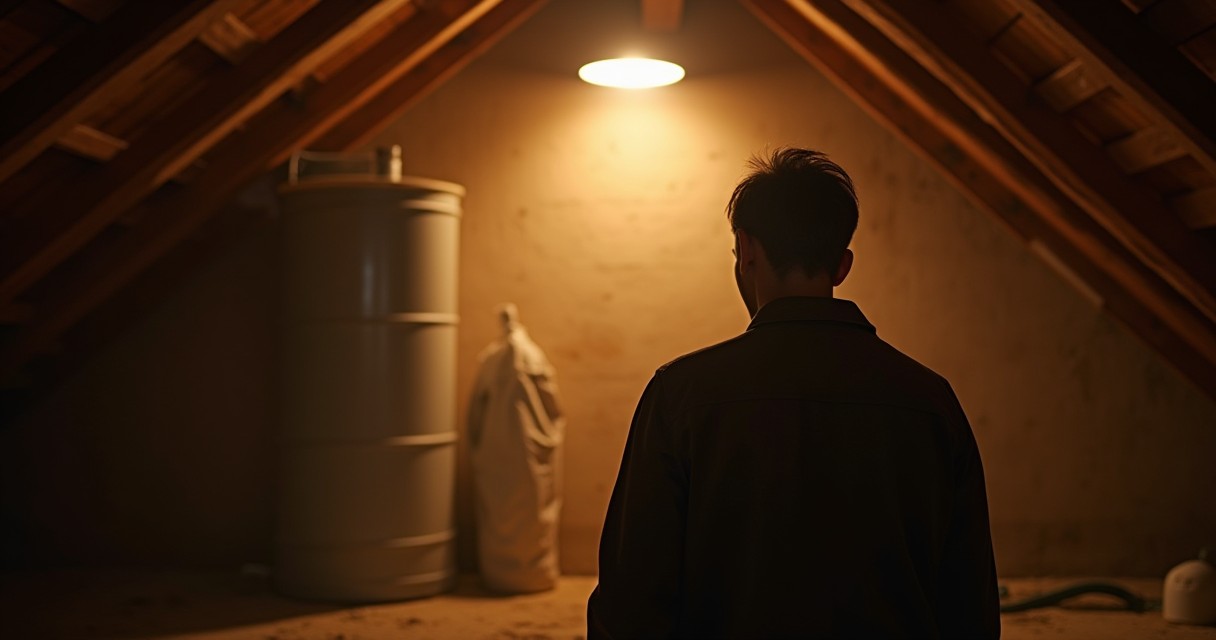
Firebrats prefer hot and dry areas. You will often find them in attics or near water heaters. Because they like heat, they are rarely found in bathrooms or laundry rooms. Silverfish, on the other hand, need that moisture to thrive. If you find them in your closet or under a sink, they are likely silverfish. Knowing the difference helps you understand why they are appearing in specific parts of your home.
Strategies for Management and Prevention
Managing silverfish requires more than just spraying a surface. Because they live inside walls and gaps, a simple spray on the floor will not reach them. They will simply move deeper into the cracks to escape the chemicals. A professional treatment focuses on these hiding spots.
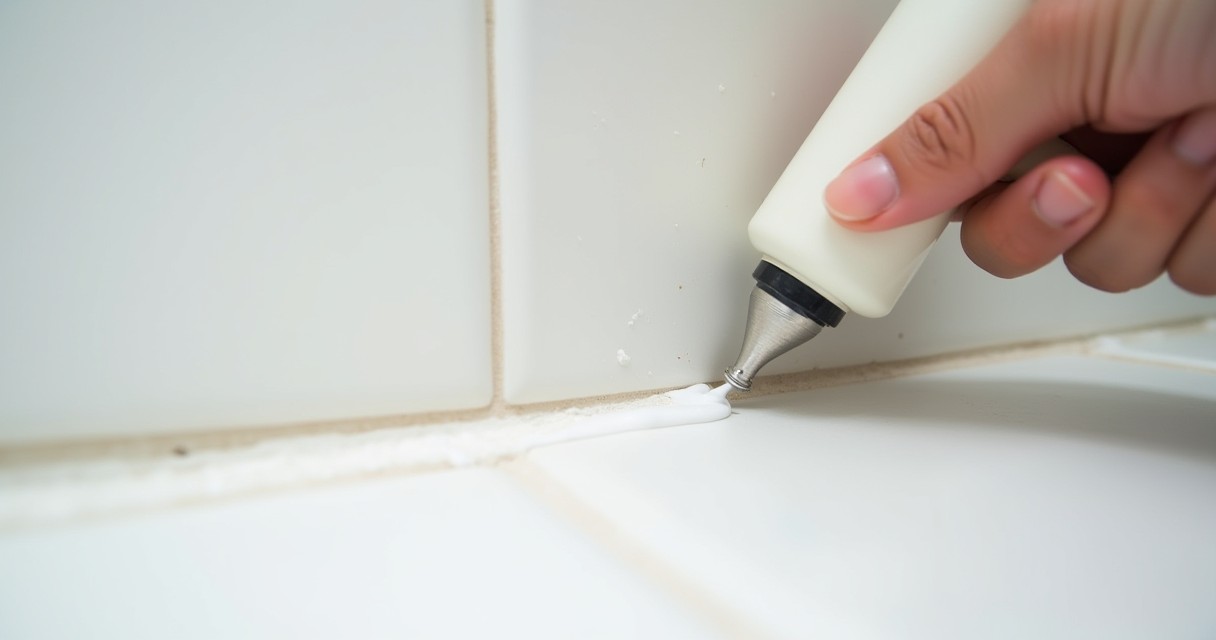
Professional pest control targets the cracks, crevices, and wall voids where they dwell. It also includes treating the exterior perimeter of your home. By creating a barrier outside, you make it harder for them to enter in the first place. Treating the interior gaps ensures that those who are already inside cannot move freely between rooms.
You can also use diagnostic tools at home. Sticky traps are very helpful for this purpose. Place these traps along baseboards and in the corners of your closets. These traps do not kill large numbers of insects, but they show you where the bugs are. If you find many silverfish on a trap in one specific closet, you know exactly where to focus your cleaning efforts.
One of the best ways to stop them is by changing how you store items. Cardboard boxes are their favorite place to live. They provide both food and shelter. You should replace cardboard boxes with sealed hard plastic bins. This change removes their primary source of housing in garages, attics, and closets. Plastic bins do not contain starch or cellulose for them to eat.
Finally, controlling the environment is your best defense against silverfish. Lowering the indoor humidity does more than any spray can do. Florida homes often struggle with humidity during the summer. You must work to keep the air dry. Run your bathroom exhaust fans regularly after every shower. Keep your air conditioning running consistently to pull moisture from the air. If you have a damp garage, use a dehumidifier. Fix any slow leaks under your sinks immediately. By making your home less hospitable to moisture, you make it much harder for silverfish to survive and multiply in your home.
Dealing with this right now?
Licensed, insured, and local. Free estimates across Volusia and Seminole County.