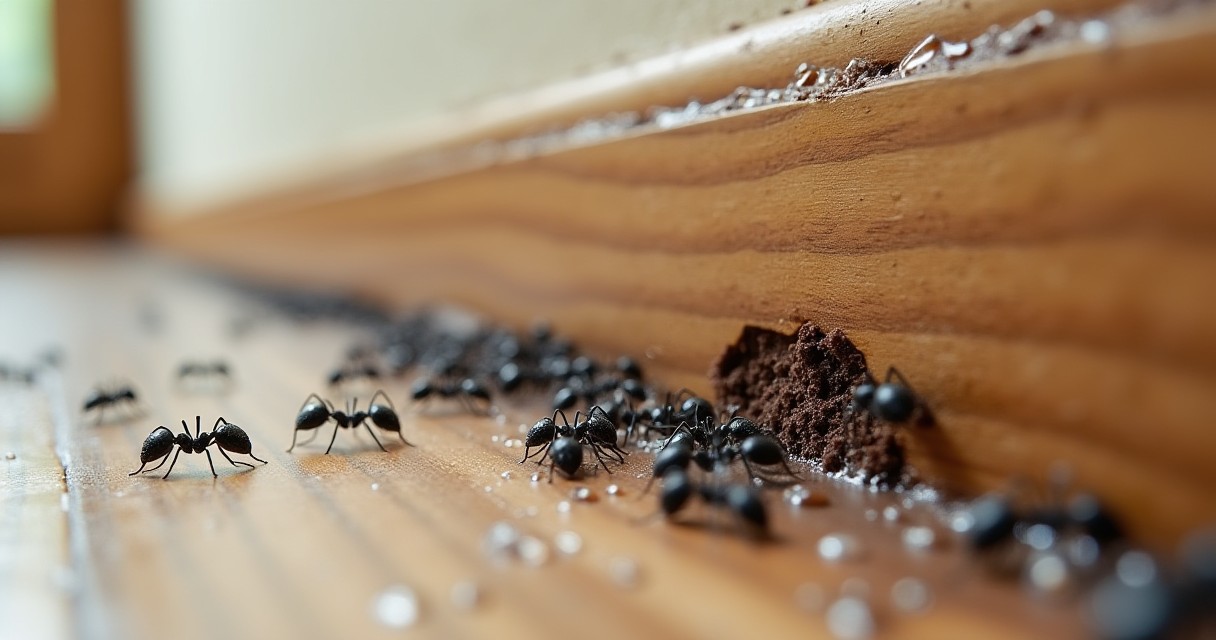
Florida homeowners often notice more bugs after a big storm hits the coast. You might see many ants marching across your kitchen floor or along your baseboards. This sudden surge in post-rain ant activity can be very startling for any homeowner. It is common to feel frustrated when these tiny pests invade your living space. Understanding why this happens helps you take the right steps to protect your home. Heavy rains change the environment outside and inside your house quickly. These changes force ants to move from their usual spots into your residence.
Why Rain Causes Ants to Move Indoors
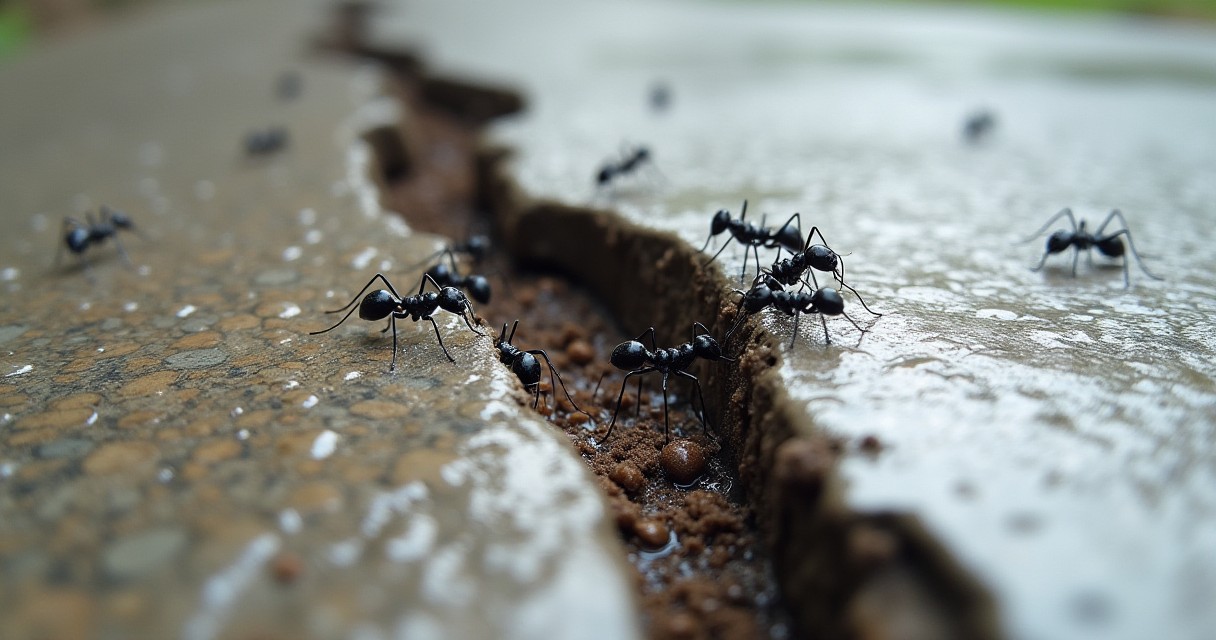
Heavy rainfall can cause localized flooding in many Florida neighborhoods. Flooding is a major reason for increased post-rain ant activity. Many species of ants build their nests underground or deep within the soil. When these areas flood, the nest becomes saturated with water. The ants cannot survive if their home stays underwater for too long. They must find high ground to stay alive and healthy. Your home provides a dry sanctuary from the rising water levels outside.
The rain also washes away natural barriers between the outdoors and your home. Soil and debris act as physical walls against invading insects. Heavy rainfall can move these materials and create clear paths into your yard. These gaps allow ants to travel much easier than they did before the storm. If the ground is washed away, there is nothing to stop them from entering. They follow these new paths right into your crawlspaces or mudrooms.
Increased moisture levels also change the conditions near your home's foundation. Florida has a very humid climate that many pests love. Ants thrive in damp environments because they provide constant hydration for the colony. After a storm, the soil and wood around your house stay wet for days. This moisture creates a perfect breeding ground for various ant species. They see these damp areas as ideal places to establish new nests. When their outdoor homes become too wet, they move toward your drier interior spaces.
Ants are looking for two main things when they enter your home: dry land and food. A storm makes their natural habitats saturated and difficult to live in. Your kitchen and pantry offer both of these resources perfectly. They find dry shelves and stable floor surfaces inside your walls. They also find crumbs, spills, and pet food that provide easy nutrition. When the environment outside becomes harsh, your home becomes a target for them.
Scout ants play a very important role in this movement during wet weather. Not every ant you see is looking for food immediately. Some are scouts sent out to find new territory for the whole colony. These scouts enter your home after rain to test the area. If they find enough food and dry space, they leave a trail for others. This chemical trail tells the rest of the colony that your house is safe. Once this happens, you will see much more post-rain ant activity in specific areas.
How Florida's Environment Impacts Pest Growth
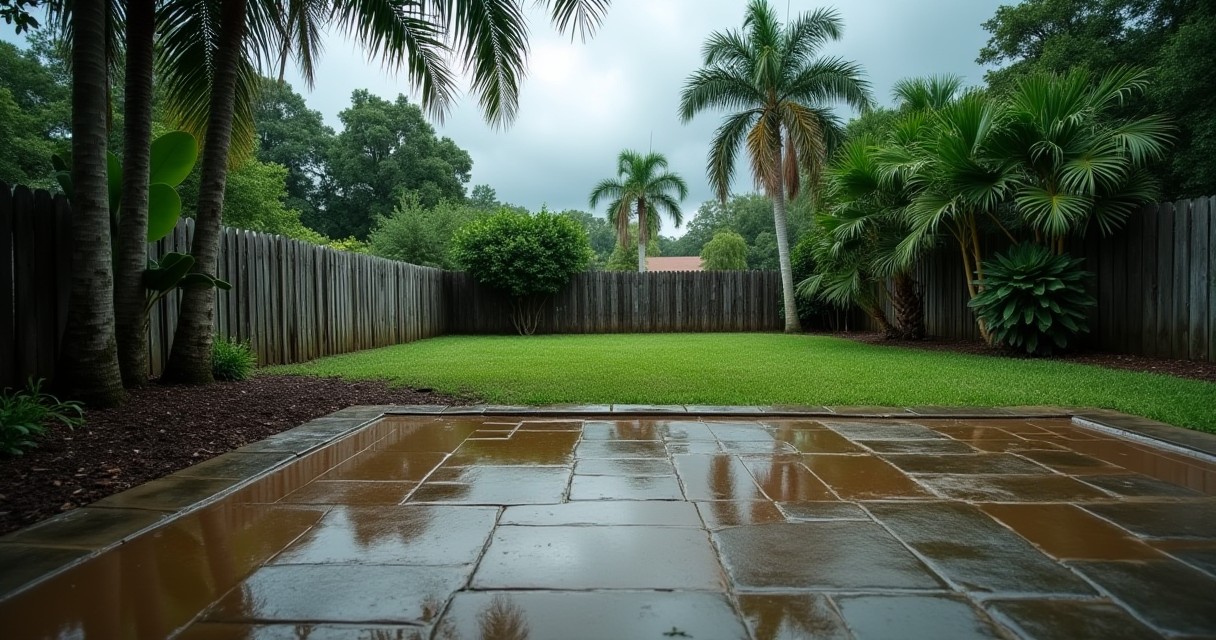
The climate in Florida makes it very easy for pests to survive year-round. High humidity and warm temperatures are perfect for roaches, ants, and silverfish. These insects thrive near water sources because they need moisture to live. Heavy rains provide a massive amount of water across the entire landscape. This creates more opportunities for these pests to grow their populations. When the rain stops, the population remains high because the environment stayed favorable.
Many common household pests are always present in Florida landscapes. They wait for the right conditions to move into your home. A big storm provides those perfect conditions by disturbing their outdoor habitats. For example, silverfish love damp areas and will emerge after a rainy season. Roaches also seek out moisture when the ground becomes too saturated during storms. Ants are particularly mobile and will travel long distances to find better territory. They do not just stay in one spot when the weather changes for them.
The relationship between Florida's wet seasons and pest activity is very direct. More rain often means more pests moving toward human structures. These insects are looking for stability in an environment that keeps changing. Your home offers a constant temperature and stable moisture levels. This makes your house a prime target during the rainy season. Understanding this cycle helps you prepare for the seasonal shifts in bug behavior.
Dealing with Ant Activity Effectively
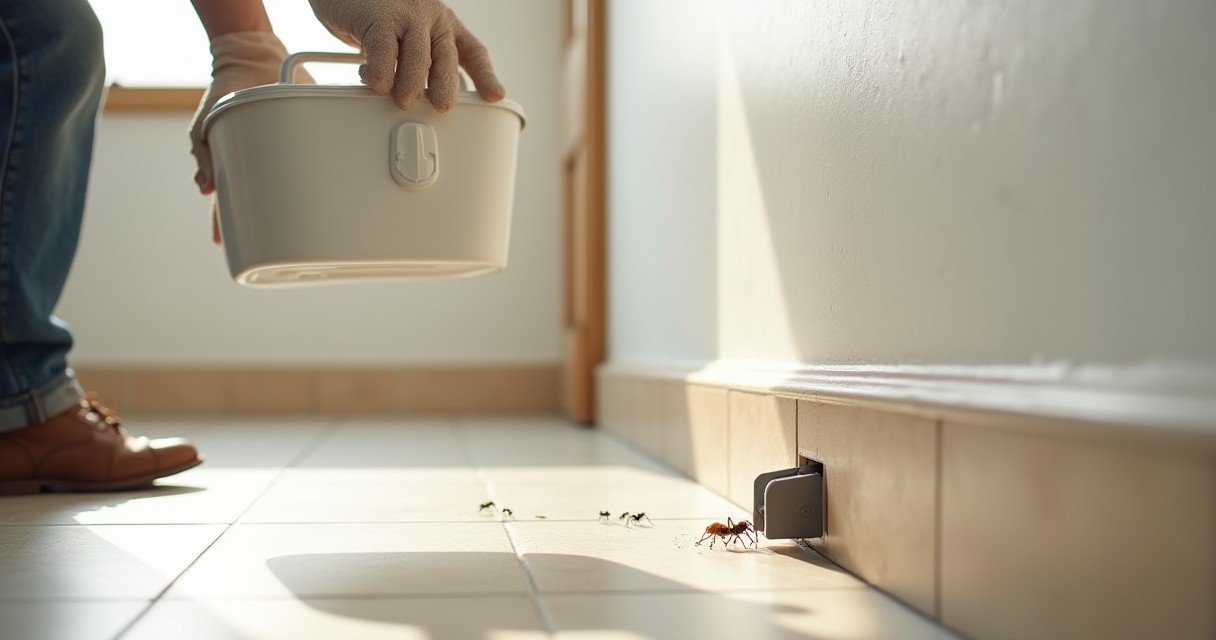
Many homeowners try to solve the problem by spraying individual ants on their counters. While this might kill a few insects, it does not solve the root issue. Spraying only targets the scouts or the foragers that happen to be visible. It does not reach the nest hidden deep underground or inside your walls. Because the queen remains safe, the colony will continue to produce new workers. You will see more ants tomorrow because the source of the problem was never destroyed.
Using household products like vinegar or soapy water can also have limited results. These substances might create a temporary barrier that repels ants for a few hours. However, they do not eliminate the infestation or stop the colony's growth. Ants are very persistent and will find new ways around these simple barriers. They will continue to forage as long as the colony feels threatened by wet conditions. A chemical spray from a store often only masks the problem rather than solving it.
Cleaning up debris around the exterior perimeter is a great way to reduce risk. After a storm, branches, leaves, and dirt can pile up against your house. This debris creates many hiding spots for insects to stay dry during rain. Removing this material reduces the number of places they can hide before moving inside. A clear perimeter makes it harder for them to find easy entry points. You should inspect your yard after every heavy storm to remove these hazards.
Applying a professional chemical barrier along the foundation is another very effective method. This creates a zone that ants must pass through to get into your home. The chemicals work by making the area unattractive or impassible for the insects. It acts as a shield against post--rain ant activity from the surrounding yard. This is much more effective than spraying individual ants you see in the kitchen. A barrier stays active and protects the home over a longer period of time.
You should also look at your interior habits to minimize attraction. Keeping food in sealed containers prevents ants from finding easy meals. Wiping down counters after every meal removes the scent trails that scouts follow. Fixing leaky pipes or faucets reduces the moisture levels inside your walls. These steps make your home less appealing to ants even when it rains outside. A clean and dry home is the best defense against any pest invasion.
If ant activity persists after heavy rains, you should call a professional. A licensed pest control company has the tools to find the source of the problem. They can identify exactly which species are entering your home. Professionals use advanced treatments that reach the heart of the colony. They can also provide long-term solutions that simple household sprays cannot offer. A professional can inspect your crawlspace and foundation for hidden entry points.
Working with a licensed and insured company like Killzone Exterminating Inc provides peace of mind. They understand the specific challenges of Florida's climate and pest cycles. They know how to handle roaches, ants, and other common pests effectively. Their team can create a plan to keep your home safe during the next big storm. You will not have to worry about recurring issues every time it rains. Professional treatment ensures that your home remains a sanctuary for your family.
Your peace of mind is important when dealing with persistent pests like ants. Constant ant activity can be stressful and annoying for everyone in the house. It can make you feel like you cannot enjoy your kitchen or dining area. A professional service removes this stress by providing a reliable solution. They treat the property to stop the cycle of infestation before it starts. This means fewer ants on your counters and more peace in your home.
Take action now to protect your Florida home from seasonal pests. Address the issues caused by heavy rain before they become a permanent problem. A clear plan for pest control ensures your home stays clean and safe. You can enjoy your beautiful Florida home without worrying about unwanted guests. Reach out to experts who know how to handle these specific environmental challenges. They will help you create a lasting barrier against ants and other pests.
Dealing with this right now?
Licensed, insured, and local. Free estimates across Volusia and Seminole County.