
You might open your kitchen cabinet to find something shocking. You see tiny bugs moving in your flour. You notice small beetles crawling on your cereal box. Maybe you spot thin webbing inside a bag of rice. These are common signs of pantry pests invading your home.
Many homeowners feel embarrassed when they see these insects. They often think it means their kitchen is dirty. This is not the case for most homes in Central Florida. These bugs often enter your home inside the packaging from the store. They can hide in a mill or a warehouse before you buy them. They can also sit on retail shelves until you pick them up. Because they are so small, they are hard to see at first. Their presence is not a reflection of how clean your kitchen is.
Common Types of Pantry Pests in Florida
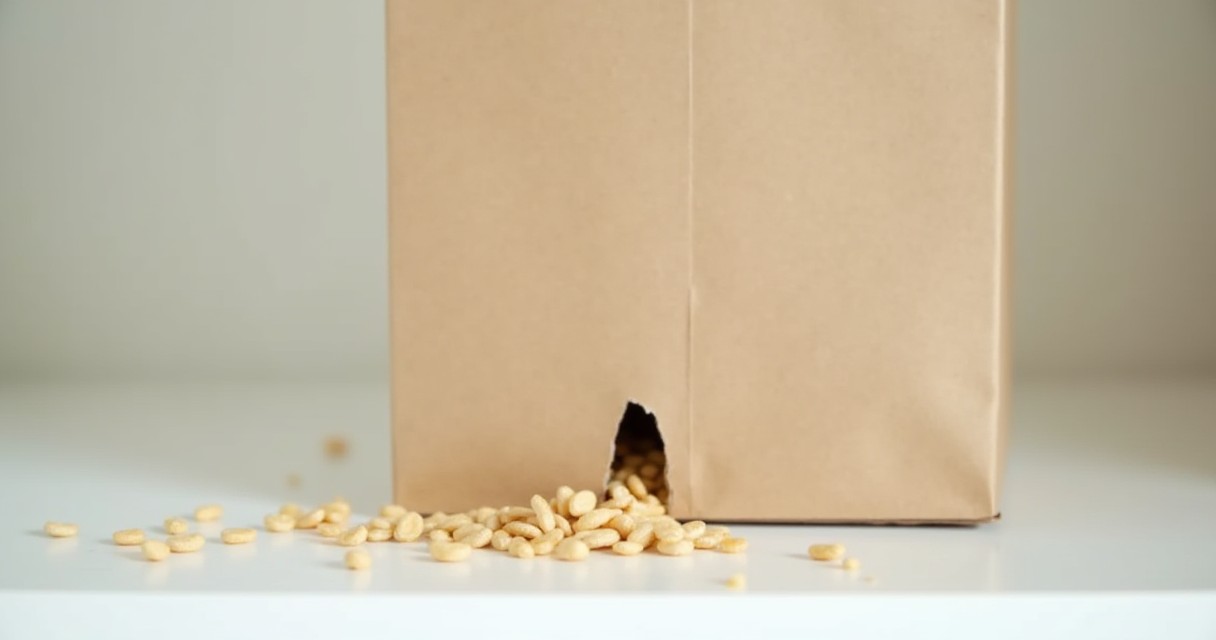
Several specific insects are the usual culprits for these infestations. One common type is the Indianmeal moth. These moths love to lay eggs in grain products. Another group includes several small and hardy beetles. You might find the sawtoothed grain beetle in your pantry. You might also encounter the cigarette beetle. Many people also deal with rice and grain weevils. Each of these insects thrives on dry goods like grains, seeds, and flour.
Florida provides a very warm environment for these pests to grow. Our local climate speeds up their life cycles significantly. A bag of flour might look perfect when you buy it. It may stay fine in your pantry for several weeks. Then, the warm Florida heat causes the larvae to develop quickly. Suddenly, you see signs of an infestation. The warmth allows them to multiply much faster than they would in cooler areas. This is why a "new" package can seem infested so quickly.
Many people think an unopened box is safe from bugs. This is not true for many common pantry pests. These insects have strong mandibles and can chew through materials. They can easily bite through paper packaging. They can also penetrate cellophane wrapping. Many types of thin plastic bags offer no protection against them. If a bug can get inside, it will find food quickly. You should never assume that a sealed box is a safe zone. Every crack or small hole in the packaging allows them to enter and spread.
Warning Signs You Should Watch For
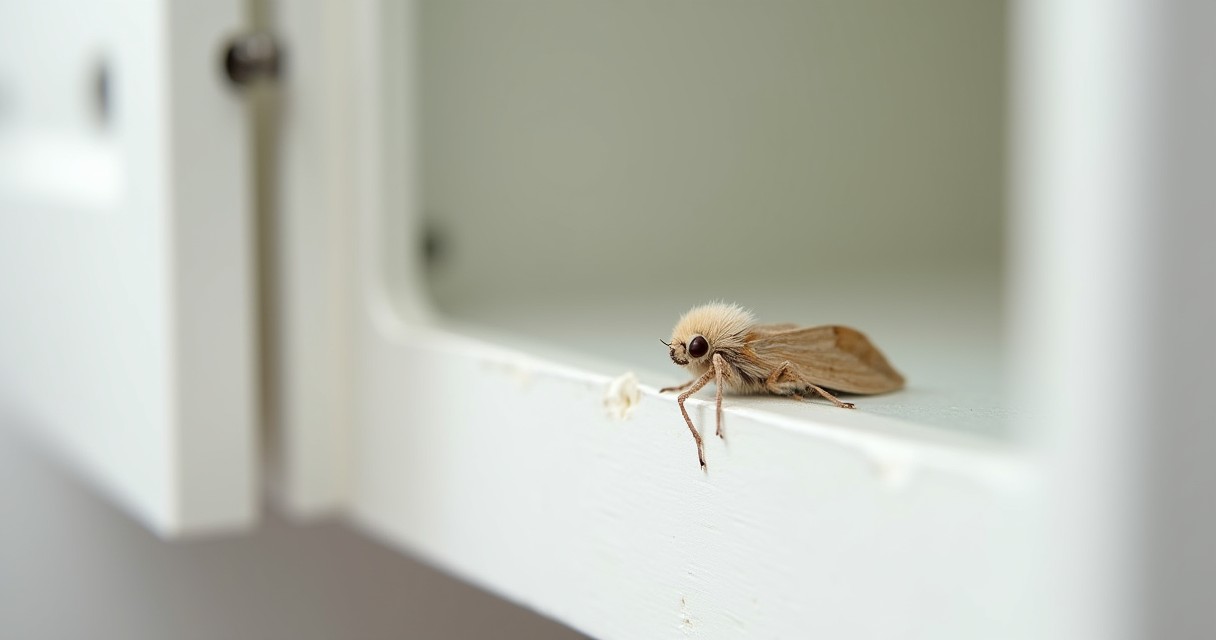
You need to know what to look for before a problem gets large. The first sign of an infestation is often very subtle. You might see tiny moths fluttering near your ceiling. These moths often fly up the wall away from the cabinet. They do this because they are looking for a place to rest. If you see them, it means there is a source nearby. Another common sign is finding fine silky webbing. This webbing often clumps the contents of a package together. You might see this in a bag of flour or a box of cereal.
These pests do not just stay inside the food containers. The larvae of these insects have a specific life cycle. They wander away from their main food source to pupate. This means they leave the bag to change into adult insects. Because of this, you will find them in unexpected places. Look for them on your ceilings. Check the corners of your kitchen cabinets. Look along the lip where a shelf meets the frame. If you see small bugs or webbing in these spots, they have traveled from their food source.
You must look beyond just your main staples like flour and rice. Many homeowners overlook other items that harbor pests. Bird seed is a major source for many insects. Dry pet food is another very common entry point. You might also have decorative dried flowers on a shelf. These can hide many types of bugs. Indian corn is another item that attracts unwanted guests. Even your spice rack can host small and hardy beetles. Finally, check the back of your cabinets. Old items or forgotten bulk purchases are prime spots for pests to hide.
How to Stop the Infestation for Good
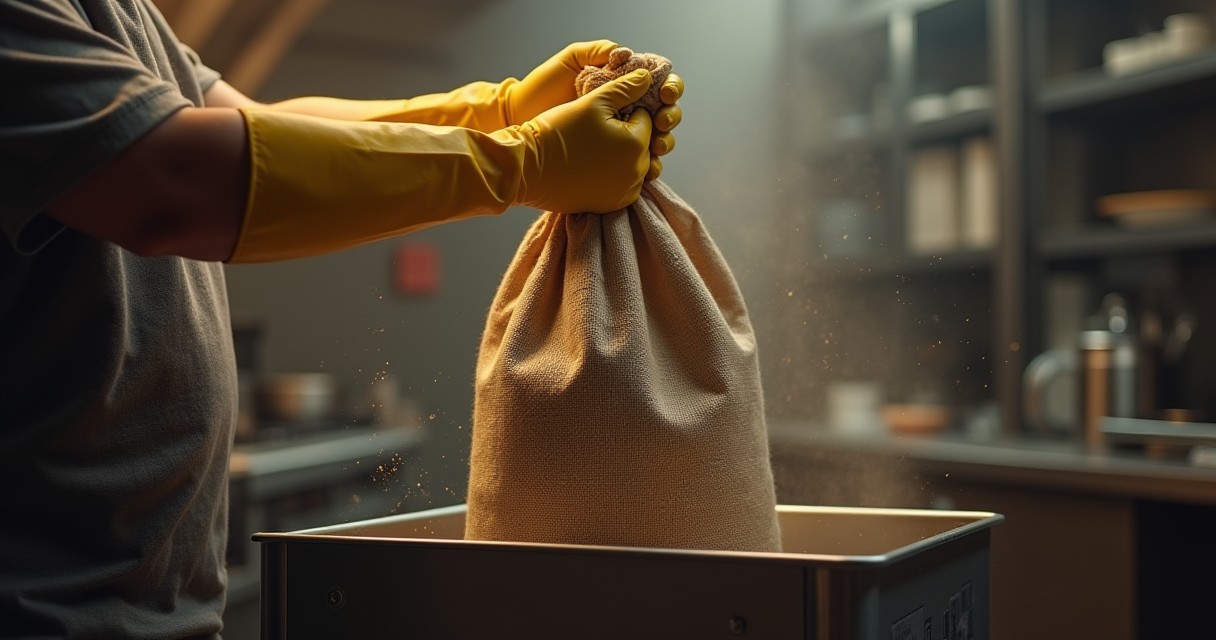
Control depends on finding and destroying the source of the problem. You must find where the bugs live and throw it away. If you leave an infested bag of flour, the problem will continue. The insects will simply move to the next nearest food source. Cleaning your cabinets is only a temporary fix if the source remains. You must identify every single item that contains larvae or adults. Once you find these items, you must discard them completely. Do not try to save a package that has webbing or bugs inside.
Insecticide is not the correct way to treat a food cabinet. You should never spray chemicals directly on your food or surfaces where you prepare food. Chemicals are not meant for use in areas where food is stored. Instead, focus on physical removal and cleaning. Your treatment in the kitchen should be limited to cracks and voids. These are places where pests can hide after you remove all the food. You must clear out the shelves entirely before you deep clean. This allows you to do a thorough cleaning of every surface.
If you have a package that looks suspect but you want to try saving it, there is a step. You can place these items in a freezer for several days. This process kills every life stage currently present in the food. It kills the eggs, the larvae, and the adult insects. This stops them from continuing their life cycle. However, this only works if you do not let them spread first. If they have already crawled into other bags, freezing one bag will not help. You must ensure the source is contained before it spreads to your entire pantry.
Long Term Prevention Strategies

Preventing a new infestation is easier than cleaning up an old one. One of the best ways to stop movement is using proper storage. You should move flour, cereal, rice, and pet food into airtight containers. Glass jars are excellent for this purpose. Hard plastic containers with tight seals also work well. These containers stop a newly purchased infested package from spreading. If a bag of grain is infested, it will stay in its container. This protects the rest of your pantry from any escaping bugs.
You should also perform deep cleaning on all your shelving units. Use a vacuum to clean out every small crack. Vacuuming the cracks and the underside of shelves is vital. This removes pupae that survive when you wipe a surface down. A damp cloth might miss a tiny bug in a crevice. A vacuum can pull those hidden insects out of the wood or frame. You should do this regularly, especially after moving new items into the pantry. Keeping these areas clean makes it harder for pests to hide and grow.
To be sure that your problem is finally gone, you can use traps. Pheromone traps are very helpful for identifying Indianmeal moths. These traps use a scent to lure out the males of the species. If you catch a moth, you know they are still present in your home. If you do not catch any for several weeks, you can be confident. The trap helps confirm that your cleanout was successful. It gives you peace of mind when dealing with pantry pests.
At Killzone Exterminating Inc, we understand how frustrating these bugs can be. We provide expert services to help homeowners in Central Florida manage these issues. Our team is licensed and insured to handle various pest problems. We offer general pest control for roaches, ants, spiders, silverfish, and earwigs. We also specialize in bed bug treatments using heat and chemicals. If you need professional help with your pantry situation, we are here to help. We provide both interior coverage and exterior perimeter treatments. Our team can perform a full inspection of your home.
We serve homes and businesses throughout the Deltona area and Central Florida. Our goal is to keep your kitchen safe and pest-free. We work hard to ensure you do not have to worry about bugs in your food. If you find webbing or see moths, it is time to take action. Do not let a small problem turn into a large infestation. Reach out to us today to schedule an inspection. Our team can help you identify the source and clear it out. We are open Monday through Saturday from 8 AM to 6 PM. Let us help you keep your kitchen clean and safe for your family.
Dealing with this right now?
Licensed, insured, and local. Free estimates across Volusia and Seminole County.