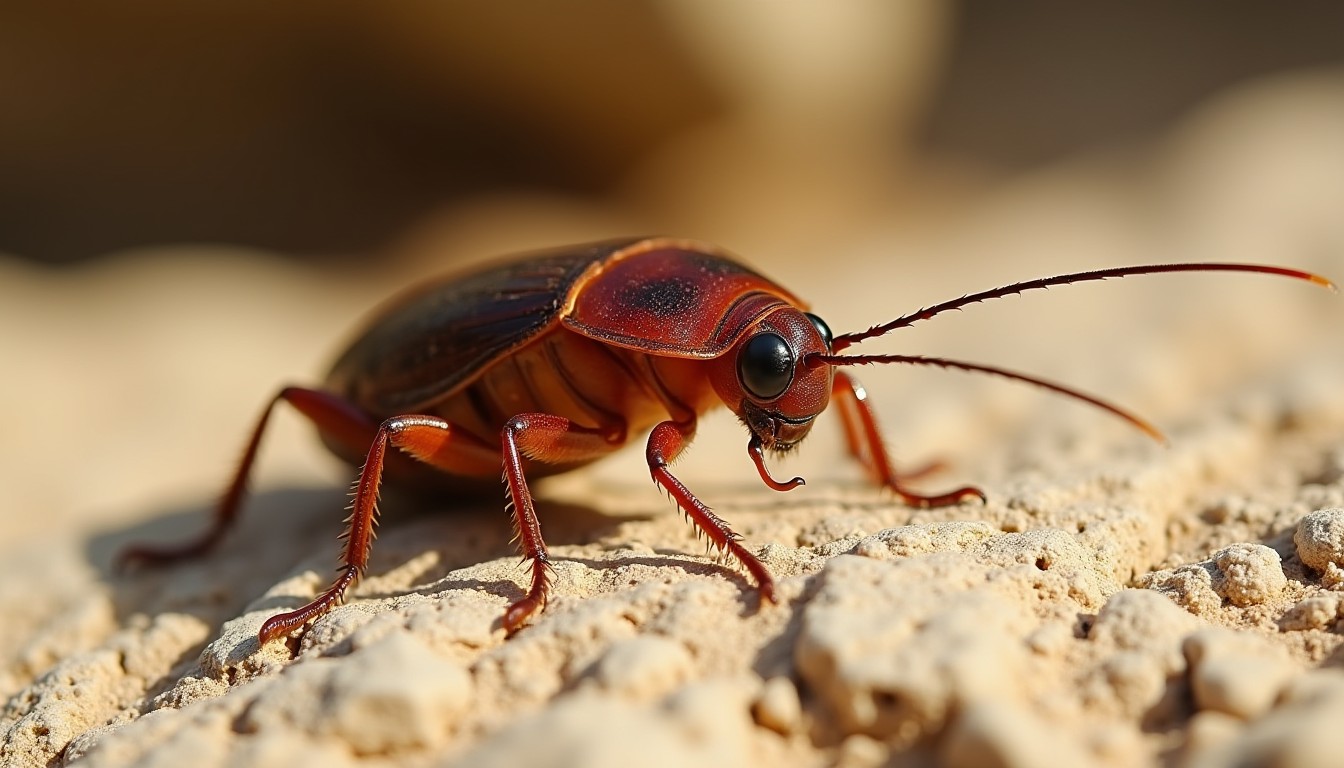
Many Florida homeowners find a large insect in their kitchen or garage and panic. You might see a long, dark bug and think your home is dirty. However, this common insect is often just a palmetto bug. A palmetto bug is the local name for several types of cockroaches. In Central Florida, this name usually refers to the American cockroach. It can also refer to the Florida woods cockroach. These insects are very common in our tropical climate. They are not always a sign of poor hygiene inside your home.
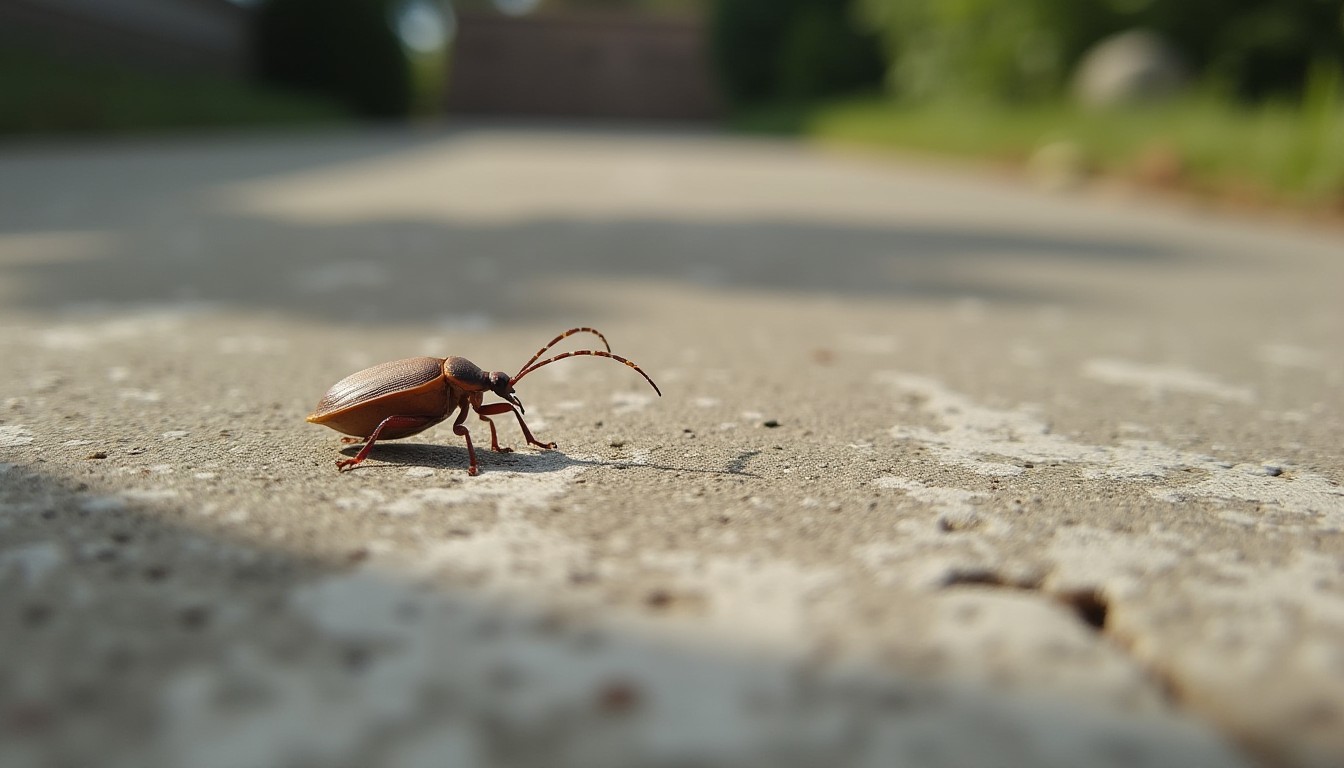
Understanding what a palmetto bug is helps you manage your home better. These bugs are known for their large size and reddish-brown color. They can grow quite long as they mature. Most adults reach about an inch and a half to two inches in length. Because they are so big, they are easy to spot compared to smaller roach species. They move quickly and can even take short flights if they feel threatened. When you see one inside, it is likely searching for resources.
Identifying the Palmetto Bug and Its Habitat
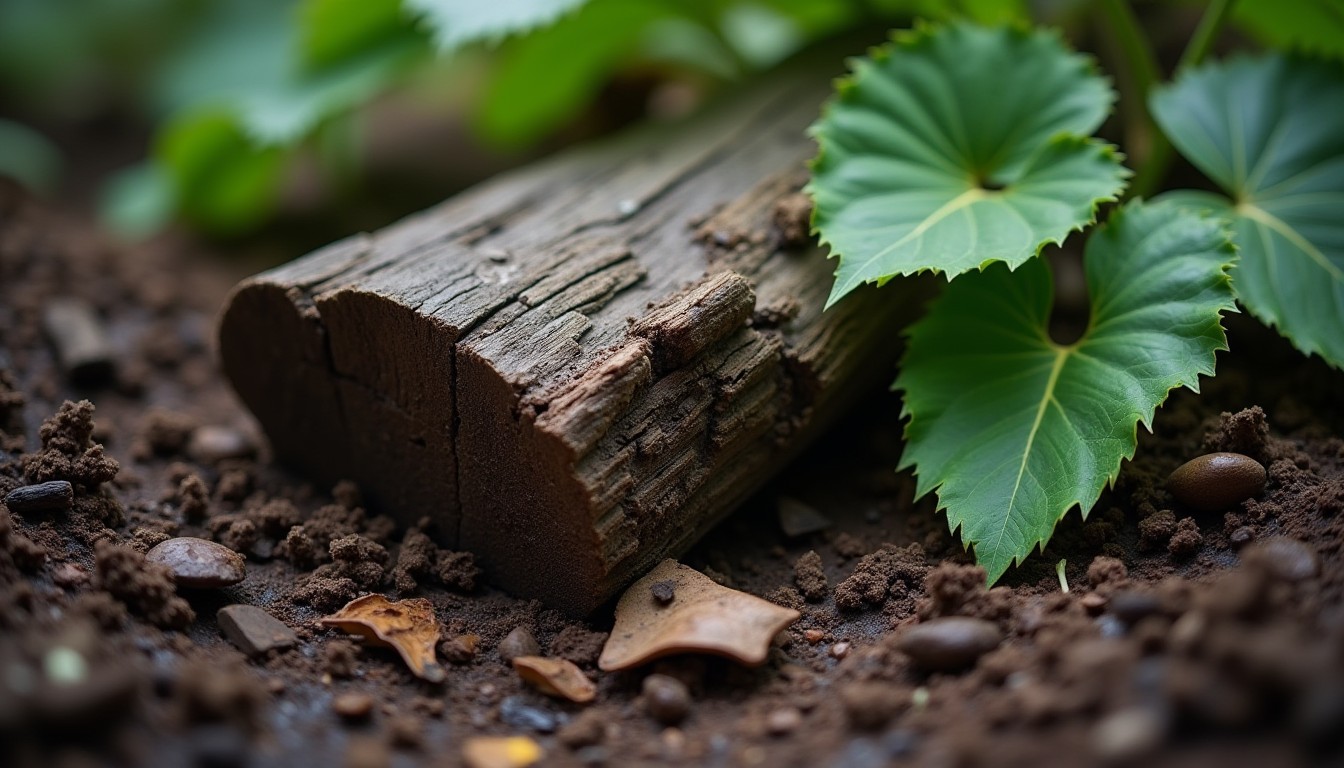
You might wonder why a palmetto bug lives in your yard first. These insects actually prefer to live outdoors in Florida's natural landscape. They thrive in mulch beds near gardens and landscaping. They also hide in palm trees and within large tree holes. Woodpiles provide excellent hiding spots for them during the day. Many of these bugs inhabit sewer systems and drainage pipes as well. Because they love damp areas, they are often found near water sources.
A home does not have to be dirty to attract a palmetto bug. These insects live outside your walls most of the time. They do not start in your pantry because of old food. They enter your house from the outside environment. If you see one in your laundry room, it likely crawled in from the yard. The presence of a palmetto bug often means they found a way through a gap. Your home might be very clean but still have openings. These bugs are just looking for a place to stay safe.
The size of a palmetto bug makes them stand out immediately. Most people notice them because they are much larger than common house roaches. They have a distinct shape and a dark, shiny shell. Their large size is why many people call them by their specific Florida nickname. When you see one, it is likely an American cockroach. These bugs are hardy survivors in our local ecosystem. They can live in many different types of environments outside.
Why Palmetto Bugs Enter Your Home During Specific Times
There is a pattern to when you might see a palmetto bug inside your home. You will often notice more sightings during heavy summer rain. This happens because the heavy rain floods their outdoor habitats. When it rains hard, they seek higher ground and drier places. They can find their way into your house to escape the water. A sudden storm can push them out of mulch beds and into your walls.
The dry season also causes a spike in sightings for the palmetto bug. During long stretches without rain, outdoor sources of water may dry up. The insects then search for moisture in other places. Your home might have pipes or sinks that provide constant humidity. They will move toward these areas to survive the heat and lack of rain. Both extreme wet and extreme dry conditions push them indoors. You should watch for these seasonal patterns when you see activity.
These bugs are also drawn to your home by the availability of shelter. Florida summers can be very hot and intense. Your home provides a cooler environment for them to move through. They want to stay cool while searching for food or water. If they find a way inside, they may stay for a while. Every time it rains heavily, you might see another one. This is a common experience for many homeowners in Delestone and Central Florida.
Common Entry Points for Palmetto Bugs
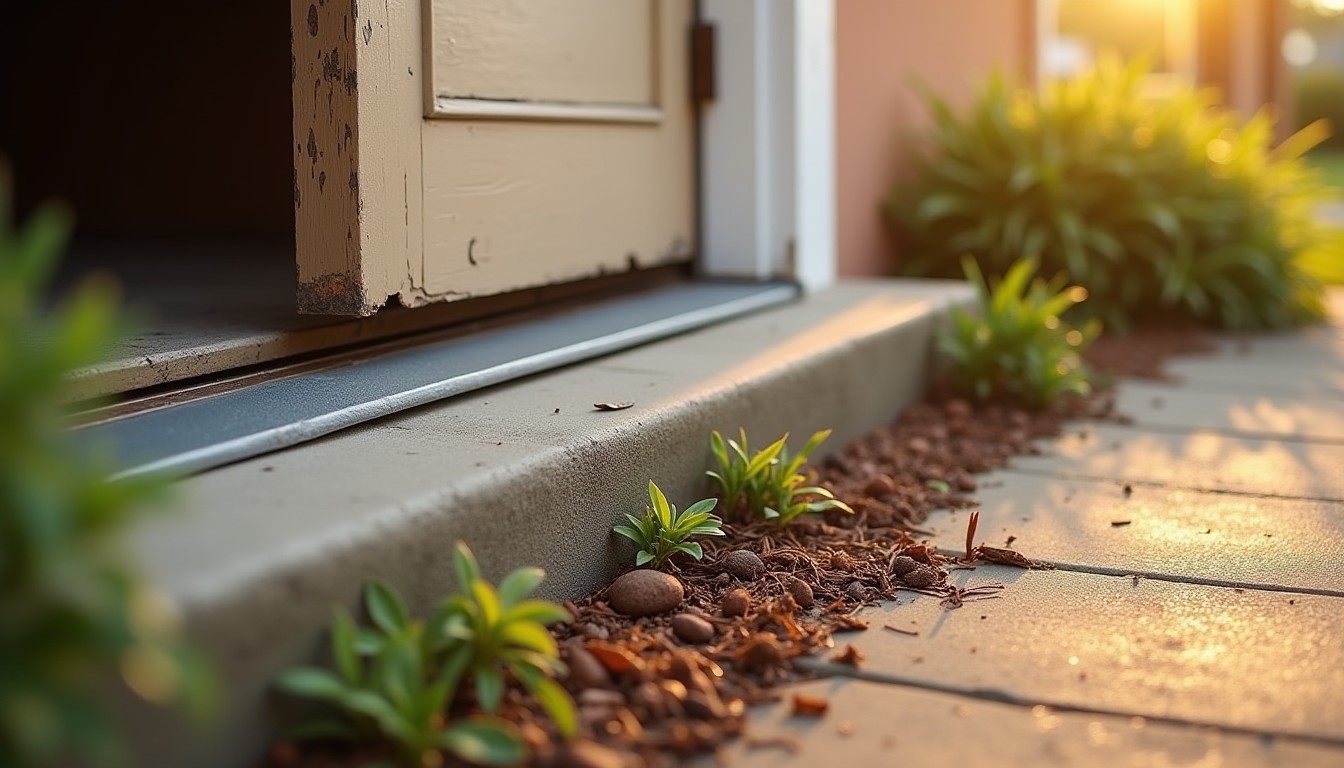
If you see a palmetto bug, there is usually a physical gap in your home's exterior. They can squeeze through very small openings. One common entry point is the gap under your exterior doors. If the weather stripping is old, they can crawl right under it. You should check every door that leads outside. A tiny space is enough for a large insect to enter easily.
Plumbing penetrations are another major way a palmetto bug gets inside. Pipes often go through walls or floors to reach your sinks and tubs. If the gap around these pipes is not sealed, bugs will find it. These gaps provide a direct tunnel from the outside world into your home. You should check where pipes enter your laundry room or kitchen. Sealing these holes stops them from traveling through the walls.
Window screens are another common point of failure for your home's defense. If a screen is torn or has small holes, bugs can crawl through. Even if it looks mostly intact, they can find the gaps. You should inspect every window and door screen in your house. Any hole large enough for a bug to fit through is a risk. Replacing old screens helps keep them out of your living areas.
Attic vents and floor drains are also frequent entry points for these insects. These areas often have moisture or provide easy access from the roof or ground. If a vent is not screened, bugs can enter the attic. From there, they can move into the living spaces below. Floor drains in garages or basements are also common paths. They may crawl up through the drainage system to reach your home. You must seal these openings to keep them away from your family.
How to Reduce Palmetto Bug Activity Around Your Home
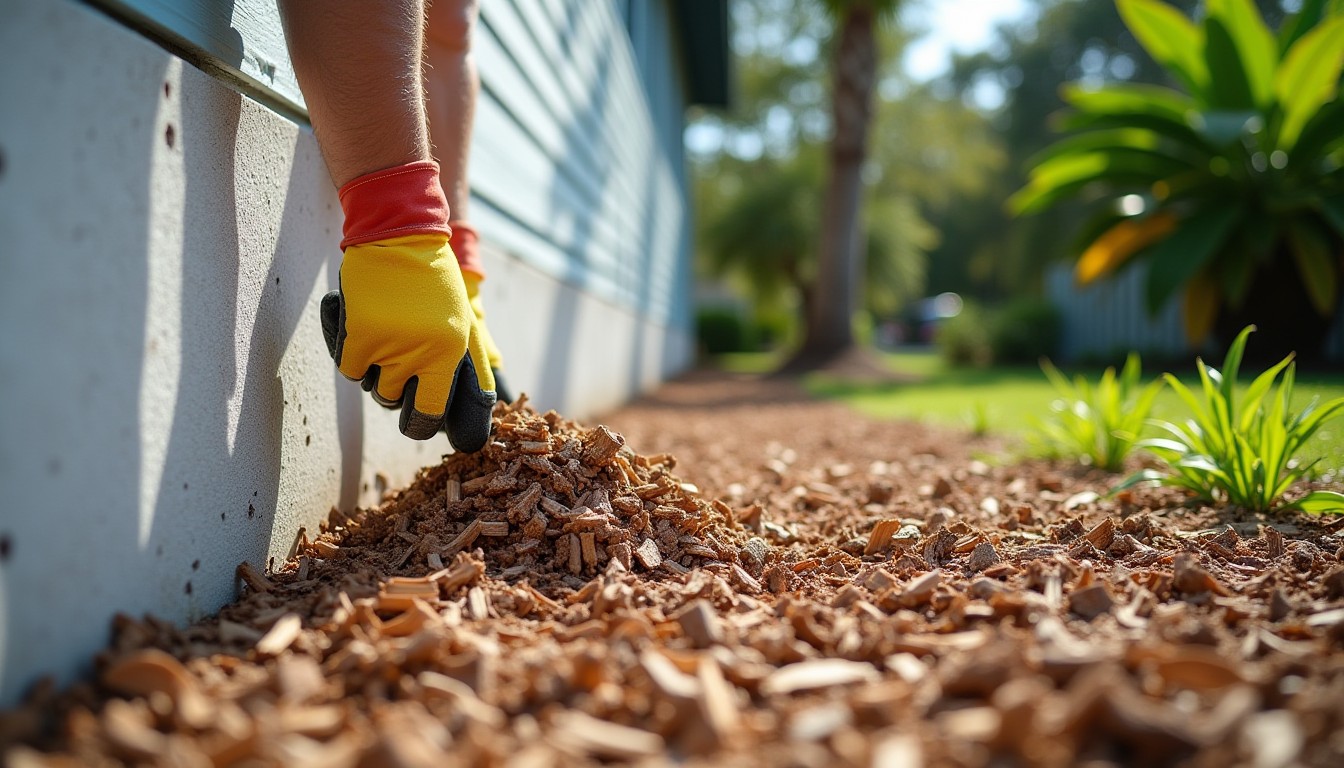
To manage a palmetto bug problem, you must look at your yard first. Reducing their habitat near your house is a very effective step. You should pull mulch back away from the concrete foundation of your home. Mulch provides a perfect place for them to hide and nest. If the mulch is right against the wall, they are already close to your door. Moving it back creates a buffer zone that makes it harder for them to reach you.
You must also manage the vegetation around your property. Trees and bushes should not touch your house walls or your roof. When plants touch the building, they create bridges for insects. A branch touching a roof can allow a palmetto bug to climb up. This gives them easy access to your attic or upper floors. Trimming these back keeps them away from your main structure. You want to eliminate the "bridges" they use to enter.
Managing water is another critical step in keeping bugs out of your home. You must fix any leaks in your outdoor plumbing systems immediately. A leaking pipe creates a constant source of moisture for the insects. They will gather around the leak and eventually find a way inside. Standing water in pots or buckets should also be removed. Any place where water sits can attract a palmetto bug. Keeping your yard dry reduces their desire to enter your property.
Professional Treatment Strategies for Palmetto Bugs
Because these bugs live primarily outdoors, treatment must focus on the exterior. Simply spraying inside your house is often not enough. If you only treat the inside, they will just come back in from outside. A professional pest control plan uses a perimeter barrier. This creates a chemical shield around the outside of your home. The goal is to stop them before they ever reach your door.
A professional treatment also includes targeted work for any bugs already inside. If you have seen a palmetto bug indoors, there may be others hiding. Technicians will treat the specific areas where they are found. This might include the garage, crawlspace, or attic. By treating both the outside and the inside, you get better results. A barrier keeps new ones out while cleaning up the current ones.
Our team at Killzone Exterminating Inc can help with this specific issue. We know that Florida homes face unique challenges with these large roaches. We offer full inspections to find where they are entering your home. We then apply a perimeter treatment to protect your property from the outside. Our service covers both interior and exterior areas for a complete solution. We provide peace of mind by creating a long-lasting barrier against pests.
Why You Should Act Quickly on Palmetto Bug Sightings
If you see one palmetto bug, there are likely more nearby. These insects do not usually travel alone to find food or water. They often follow the same paths that others have used before. If they found a way in once, it is easy for others to follow. Taking action quickly stops them from establishing a presence in your home. You want to stop them before they can spread into other rooms.
A large infestation can lead to more problems over time. While one bug is annoying, many bugs can be a nuisance. They can leave droppings and damage items over long periods. They may also carry bacteria as they move through different areas of your home. Keeping them out ensures your living space stays clean and safe. Dealing with the issue now prevents it from becoming a bigger problem later.
A professional service provides a lasting solution for your property. We are licensed and insured to handle these pests effectively in Central Florida. Our team knows how to identify exactly where the palmetto bug is coming from. We can seal the gaps and apply the right treatments to stop them. We work even on Saturdays to make sure your home stays pest-free. Contact us today to protect your home from these large, unwanted intruders.
You can reach out to Killzone Exterminating Inc for a full inspection. Our team is located in Deltona and serves all of Central Florida. We understand the local environment and how it affects your home's safety. We provide specialized services for roaches like the palmetto bug. Our goal is to keep your indoor space free of pests. We offer thorough treatments that target both the source and the entry points.
Protecting your home from a palmetto bug requires a multi-step approach. You must address the yard, the exterior walls, and the interior gaps. By combining these steps, you create a fortress against common Florida insects. Our team can handle all of these steps for you. We use proven methods to ensure that they stay out for good. Call us today to discuss your specific situation and get a professional plan.
Dealing with this right now?
Licensed, insured, and local. Free estimates across Volusia and Seminole County.