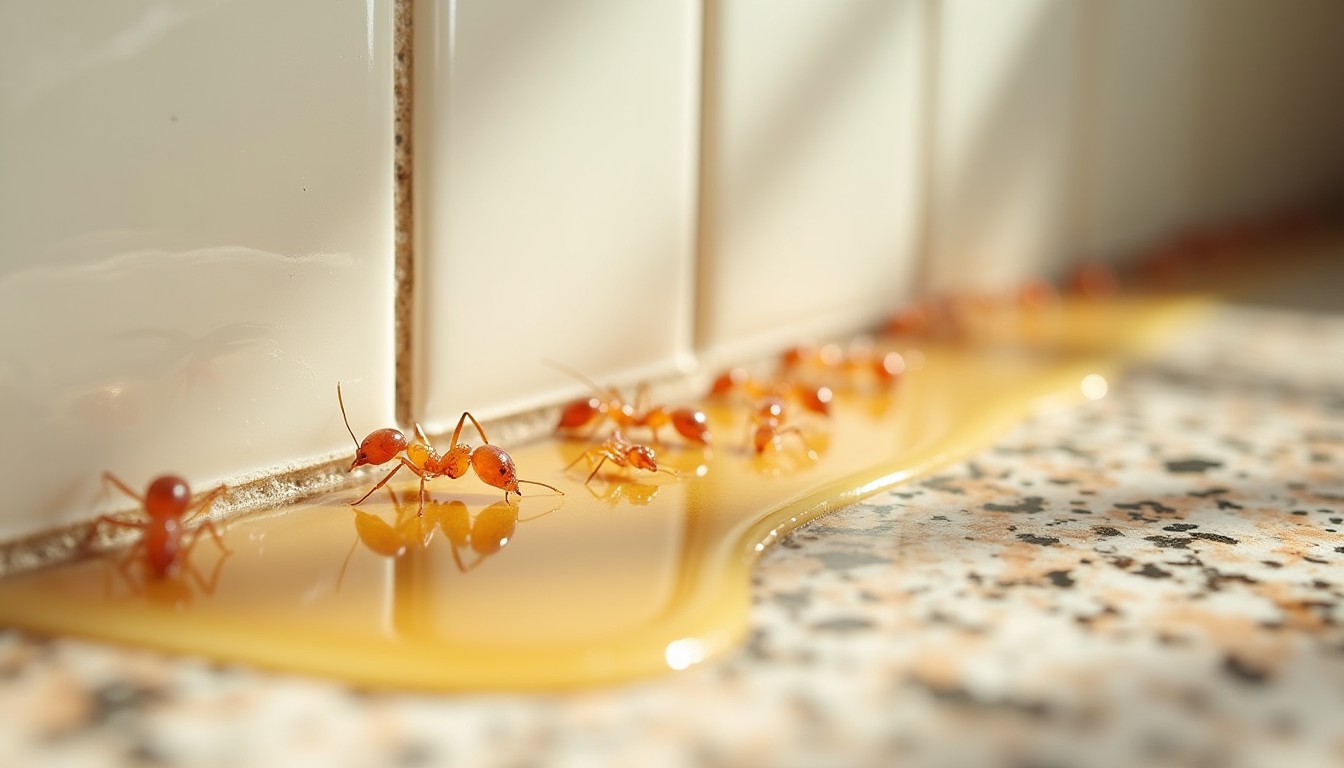
Do you see tiny, pale bugs crawling across your kitchen counter? You might think they are just small common ants. However, these pests are likely ghost ants. Many homeowners in Central Florida deal with these specific insects every year. These pests are a major nuisance for families. They can be very hard to spot on light surfaces. Their unique appearance is why they earned their spooky name. Ghost ants have dark heads and thoraces. Their abdomens and legs appear pale or almost translucent. This makes them blend into white tiles or light countertops easily.
Florida homes are prime real estate for these invaders. They are a tropical species that loves our warm climate. You will find them in many homes across the southern half of Florida. They thrive in indoor environments where they can find food and moisture. Because they are so small, people often miss the first signs of an infestation. They are roughly a sixteenth of an inch long. This tiny size allows them to hide in cracks and crevices. You might see them along your backsplash or near your sink. These areas provide both food sources and water for the colony.
Why Ghost Ants Thrive in Florida Kitchens
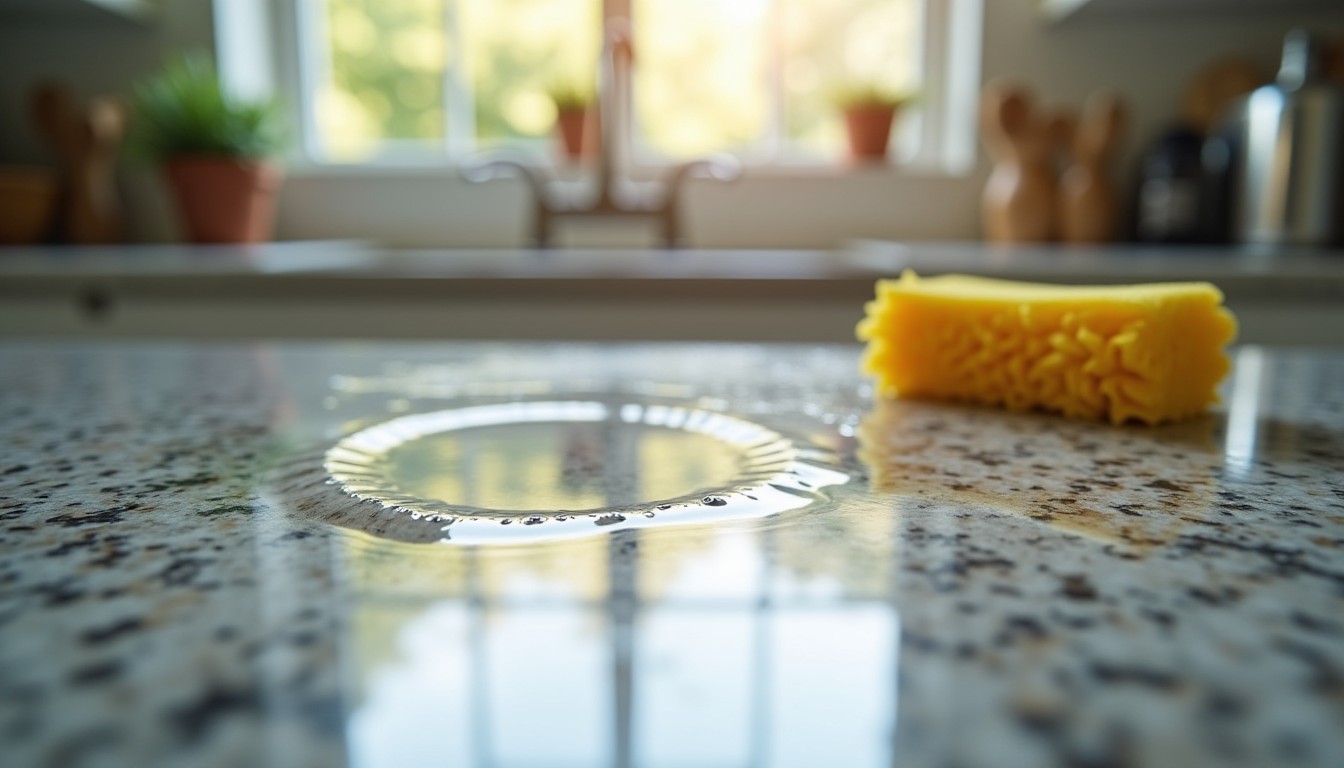
Florida's climate provides the perfect habitat for these pests. They do not struggle with extreme cold like other ants. They prefer our humidity and warm temperatures. This means they can survive year-round inside your home. Once they enter a kitchen, they find everything they need to survive. They are drawn to sweet substances found in your pantry. They also seek out moisture from leaky pipes or damp sponges. Your kitchen becomes a constant buffet for them.
The structure of their colony makes them very hard to eliminate. Ghost ants do not have just one queen. Instead, they have multiple queens in a single colony. This means the colony can grow very quickly. If you kill one queen, others are still active. They also nest in many different locations at once. They do not stay in one single hole. You might find them nesting inside your wall voids. They can hide behind your kitchen cabinets for months. They even nest in potted plants and under mulch outside. This multi-nesting behavior makes them much harder to manage than other ant species.
When they have multiple nests, the colony is very resilient. A single nest might be small. However, a network of nests creates a massive population. These ants communicate with each other through pheromones. They leave trails so other scouts can find food. If one scout finds a crumb, it leaves a trail for others to follow. This allows them to colonize your kitchen in a very short amount of time. Because they are so small, they can travel through tiny gaps in your baseboards. These gaps lead them from the outside world into your living space.
The sheer number of nesting sites is a major challenge for homeowners. If you only treat one area, others remain active. They can move between these locations easily. This makes it seem like new ants are appearing out of nowhere. In reality, they are moving from one hidden nest to another. Their presence in the kitchen is often just the tip of the iceberg. There could be dozens of colonies hiding just behind your walls. Each colony contributes to the total number of ants you see on your counters.
Why Spraying Ghost Ants Often Makes Problems Worse
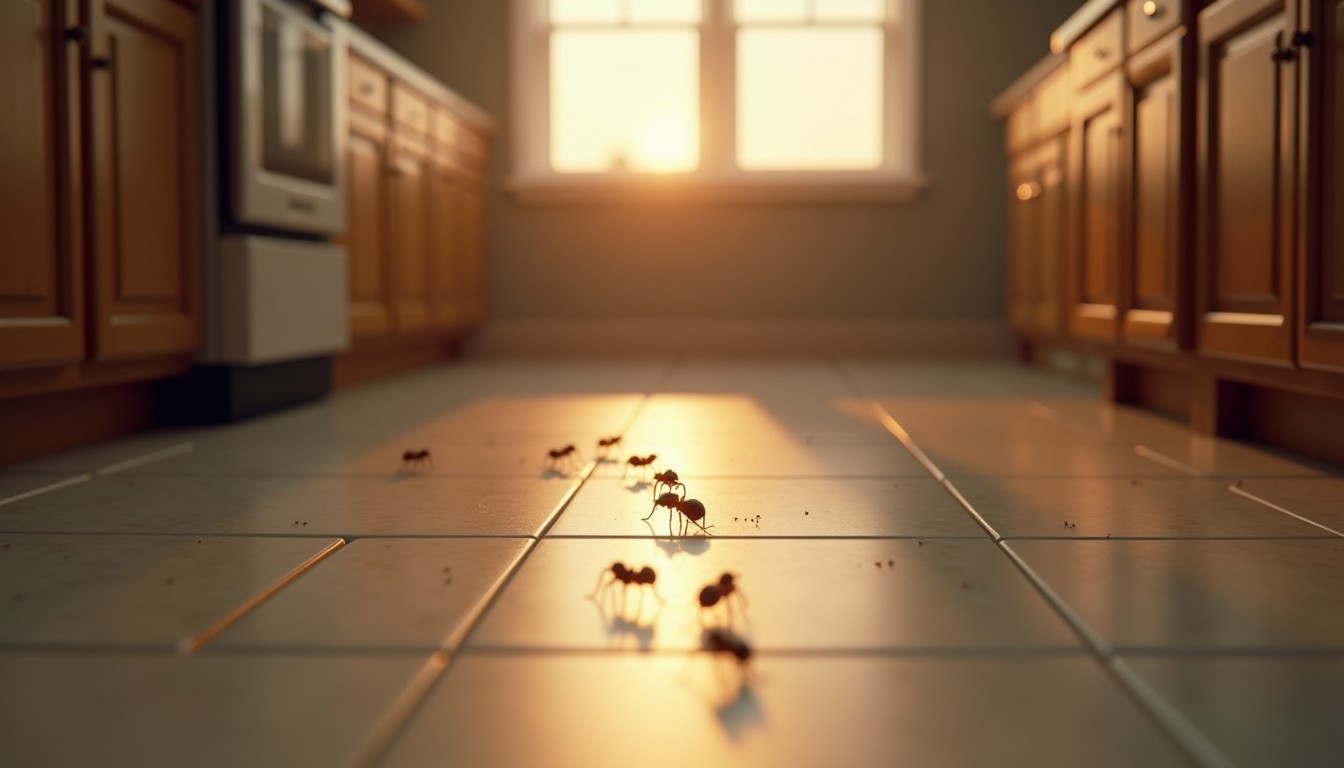
Many homeowners reach for a spray can as soon as they see an ant trail. They want to stop the ants immediately. While this seems like a logical step, it often backfires with ghost ants. When you spray a repellent product on a visible trail, the colony feels threatened. The ants sense the chemical change in their environment. Instead of giving up, the colony reacts by "budding." This means the colony splits into several smaller groups. They move away from the sprayed area to find new locations.
By spraying, you may actually increase the number of nests you have to deal with. You are forcing the ants to relocate. They will find new spots behind your cabinets or in your walls. These new locations become new colonies. The next time you see an ant, it might be from a brand new nest. This creates a cycle where you feel like you are constantly fighting them. You are essentially pushing the problem deeper into your home's structure. They move to areas where you cannot reach them with spray.
A repellent product only kills the ants in your sight. It does not kill the queens or the brood. The queen is the heart of the colony. She continues to lay eggs even if the workers are harmed by a spray. The offspring will grow and form new lines of scouts. These scouts will then find their way back to your kitchen counters. You end up dealing with more ants than you had before. This is why chemical barriers alone often fail to solve a ghost ant problem.
The goal should be to eliminate the entire colony structure. You want to stop them from breeding and moving into new spaces. Spraying creates a barrier that only works for a short time. It does not stop the biological growth of the nest. When you use a spray, you are just winning a small battle but losing the war. The ants will adapt to your defenses by spreading out. This makes it much harder for a pest professional to find every hiding spot. You want to avoid tactics that cause the colony to fracture and grow larger.
Why Baiting is the Best Solution for Ghost Ants
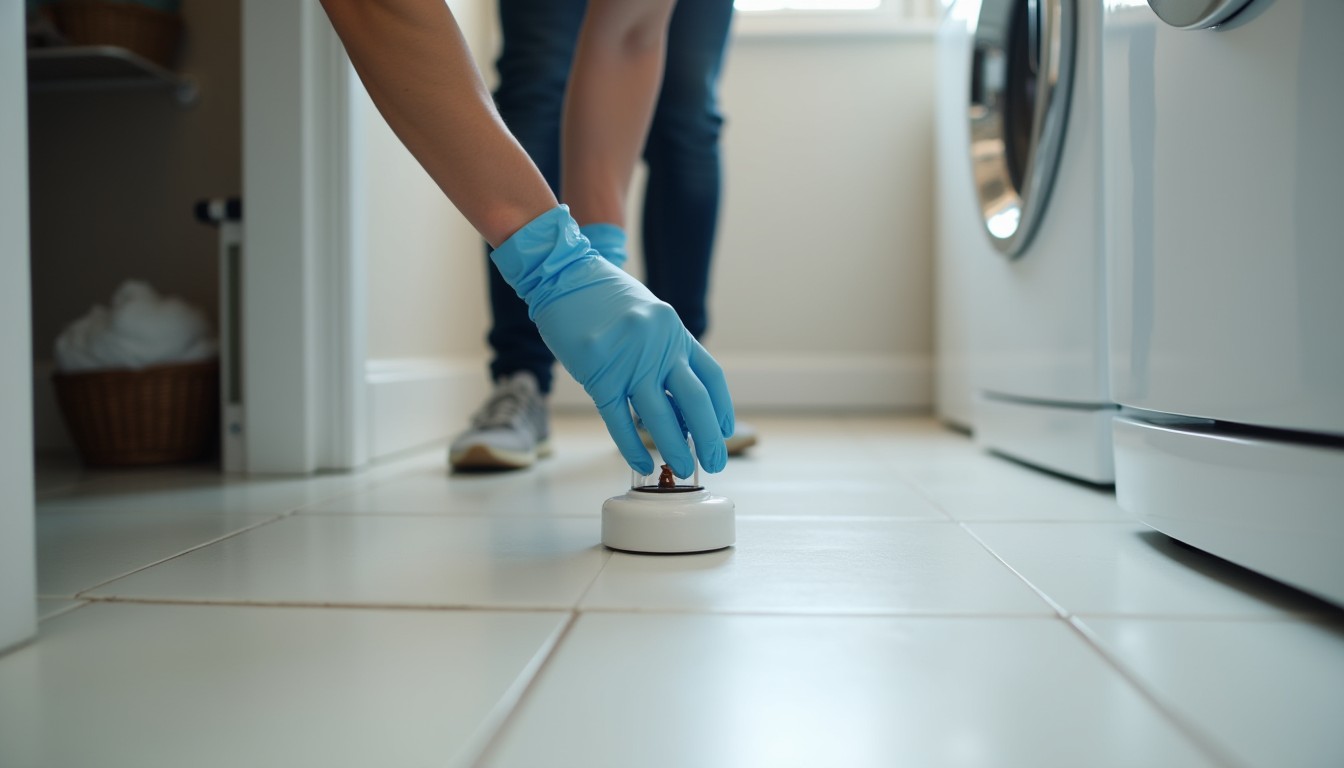
Baiting is the recommended way to manage ghost ant populations. A bait contains a slow-acting poison that they like to eat. When a worker finds the bait, she takes it back to the nest. She does not die immediately on your counter. Instead, she carries the material deep into the colony. She shares this food with other workers and the queens. This allows the poisoned material to reach the heart of the infestation. It reaches the brood and the multiple queens that keep the colony growing.
Because they share resources, the bait works through the whole network. Even if there are many different nests, the ants interact. They communicate which areas have the best food. If they find a tasty bait, they will tell their neighbors. This spreads the treatment to various locations at once. It is a way to bypass the physical barriers of your walls and cabinets. You do not have to find every nest to be successful. The ants do the work of transporting the solution for you.
A good bait system works because it targets the entire life cycle. It doesn't just stop the scouts on your counter today. It stops the queens from producing more larvae tomorrow. By reaching the queen, you shut down the production line of new ants. This is the only way to achieve a lasting reduction in their numbers. When the queen dies or is affected, the colony can no longer sustain itself. The population will naturally drop as old workers stop being replaced by new ones.
Baiting requires patience from the homeowner. You must let the bait stay active and available. If you spray near the bait, the ants will avoid it. They are smart enough to sense danger. You want them to feel safe entering the bait area. This allows them to take the poison back home. When they feel safe, they won't hesitate to grab the food source. A successful baiting program can clear out even complex multi-nest systems. It addresses the root cause rather than just the symptom of seeing ants on your counter.
How Environmental Changes Can Stop Reinfestation

You must also manage the environment around your home. Ghost ants are drawn to moisture and sweets in your kitchen. You should wipe up every spill immediately. Even a tiny drop of juice can attract hundreds of scouts. Store all dry goods, like flour and sugar, in sealed containers. This removes their primary food sources inside your house. If they cannot find easy food, they will spend less time on your counters.
Moisture is another huge draw for these insects. Check your sinks and pipes for leaks. Fix any damp areas under your cabinets or behind appliances. A moist area provides a consistent water source for the colony. If you remove the moisture, you make your home less attractive to them. They will look for easier places to live elsewhere. Reducing these factors makes it harder for new scouts to settle in your kitchen.
You should also look at the exterior of your home. There are several "bridges" that allow ants to enter from the outside. Any branches touching your roof can act as a highway for pests. You should trim back any tree limbs that get too close to the structure. This limits their path into your attic or upper walls. They will have to travel longer distances on the ground where they are more exposed.
Mulch is another common bridge. If mulch is piled against your foundation, it creates a damp zone for ants. It also provides a direct path from the soil to your crawlspace or basement. You should move mulch away from the house's edge. This creates a gap that many insects cannot cross easily. By removing these outdoor bridges, you cut down on reinfestation rates. It stops new colonies from moving into your home from the yard.
Finally, keeping a clean perimeter is vital for long-term success. Clear away any debris near your foundation. Remove large piles of wood or rocks that can hold moisture. These items provide hiding spots and travel routes for pests. By making your home less accessible, you win against the ants before they even reach your kitchen. A combination of internal cleaning and external maintenance creates a strong defense. This multi-layered approach is the most effective way to keep ghost ants away from your family and your food.
If you are dealing with these tiny invaders in Deltona or Central Florida, professional help can be very useful. Experts know how to identify the specific signs of ghost ants. They can apply targeted baiting systems that reach deep into wall voids. They also understand how to treat the exterior perimeter to stop future entries. At Killzone Exterminating Inc, we specialize in these types of problems for Florida homes. We provide full inspections and treatments to clear out roaches, ants, and other pests. Our team can help you find every hiding spot. We work hard to ensure your kitchen stays clean and safe. You do not have to fight the colony alone. Reach out today to see how we can protect your home from these persistent little intruders.
Dealing with this right now?
Licensed, insured, and local. Free estimates across Volusia and Seminole County.