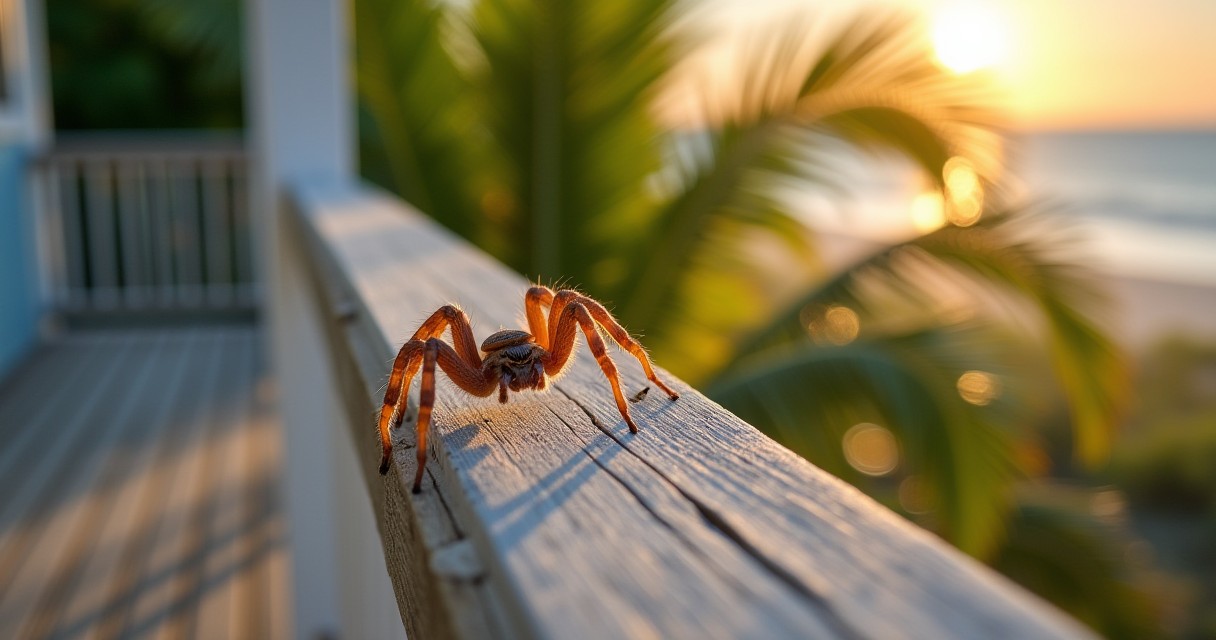
Many homeowners in Central Florida notice more spider activity during the late summer months. You might see large webs on your lanai or notice small spiders crawling near your garage door. It is common to feel uneasy when you see these creatures around your property. However, most of the florida spiders that live near your home are actually harmless to humans. Their presence often means your yard has a healthy supply of insects for them to eat. A spider in the yard does not mean your house is dirty or poorly maintained. It simply means there is a food source nearby.
Identifying Common Florida Spiders
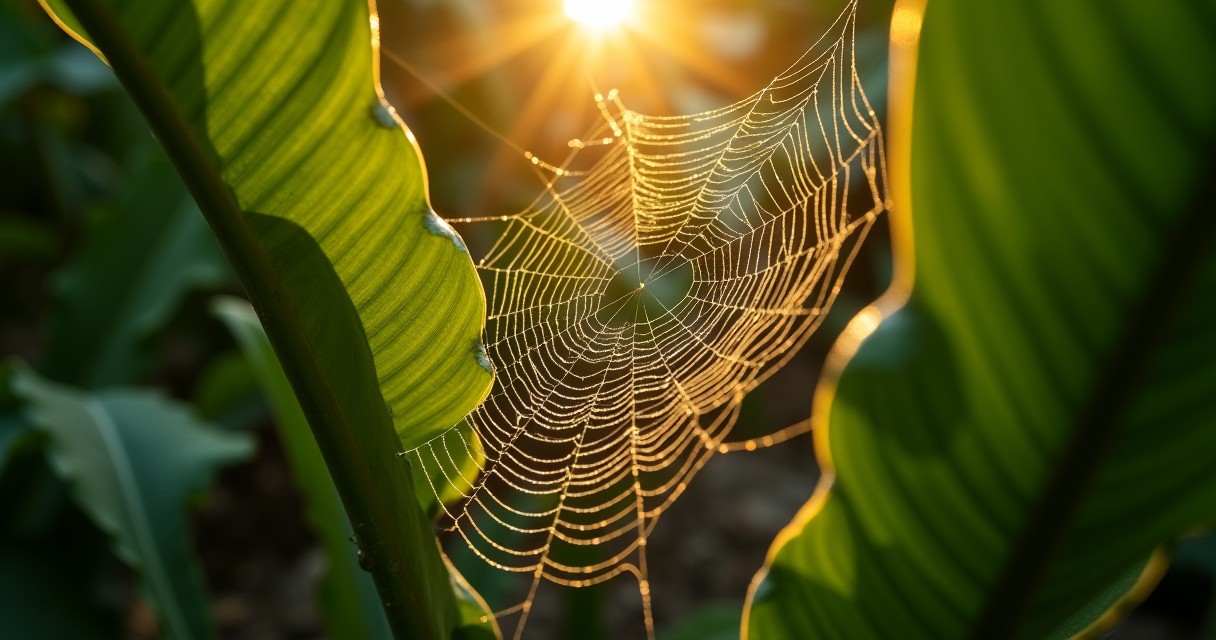
Most spiders you see around your property belong to species that do not pose a threat. These spiders are often very active during the humid months of summer. You might spot golden silk orbweavers in your garden area. These spiders build large, beautiful webs to catch flying insects. They are quite common and stay away from human contact. Another common sight is the spiny orbweaver. These spiders are often found near shrubs or trees.
You might also find cellar spiders inside your garage or outbuildings. These spiders are small and move quickly. They thrive in dark, undisturbed spaces like rafters or storage areas. Jumping spiders are another very common group you will see on exterior walls. These spiders do not build webs to catch prey. Instead, they jump from place to place to hunt. They have large eyes and look very active. While these species can be startling, they do not bite people. They generally prefer to stay away from humans.
The season plays a big role in how many spiders you see. In the spring, spider eggs hatch into tiny spiderlings. These young spiders grow throughout the summer months. By late summer and fall, they have reached their full size. Larger spiders build bigger webs to catch more food. This growth cycle makes them much easier to spot on your home's exterior. If you see a sudden increase in web activity, it is likely due to this seasonal growth.
Understanding the Risks of Widow Spiders
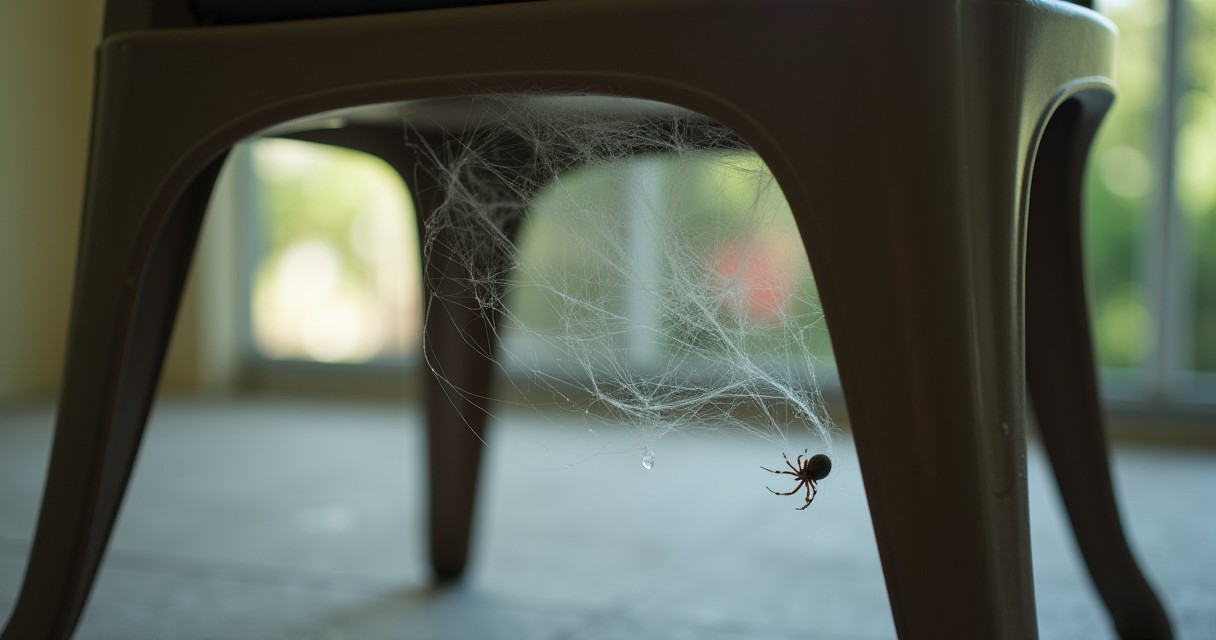
While most spiders are harmless, there are two types that cause medical concern. These are the southern black widow and the brown widow. Both species are found in Central Florida. However, bites from these spiders are actually quite uncommon for residents. A bite usually only happens if a spider is pressed against your skin. They do not typically jump or crawl onto people intentionally.
The brown widow is very common throughout Florida. These spiders prefer to hide in specific types of locations. They love the underside of patio furniture where they stay out of sight. You can also find them inside grill covers or inside mailboxes. They often hide in the corners of lanai frames. Children's play equipment is another common hiding spot for brown widows. These are exactly the places where people reach their hands without looking.
Because they hide so well, you might not see them until you touch something. This makes it important to be aware of their favorite spots. You can identify their presence by looking for egg sacs. A brown widow egg sac has very distinct pointed projections on it. It looks like a small, textured pouch. In contrast, a black widow egg sac is smooth and round. Identifying these sacs helps you know where the spiders are nesting nearby.
Managing Spiders Around Your Property
You can take several steps to reduce spider activity around your home. One of the biggest factors for webs on your house is exterior lighting. Bright lights attract many flying insects at night. These insects become a feast for spiders that build webs near those lights. You can reduce this problem by switching to warm-toned bulbs. Warm light does not attract as many bugs as bright white or blue tones. You can also move light fixtures further away from your main entry doors.
Regular maintenance of your exterior helps keep the area clear. You should regularly knock down webs on your lanai screen. Removing webs from soffits and door frames is also helpful. When you remove a web, it is harder for a spider to rebuild in that exact spot. This keeps the area looking cleaner and reduces the number of spiders hanging around your doors. Consistent cleaning makes it less appealing for them to set up homes near your entrances.
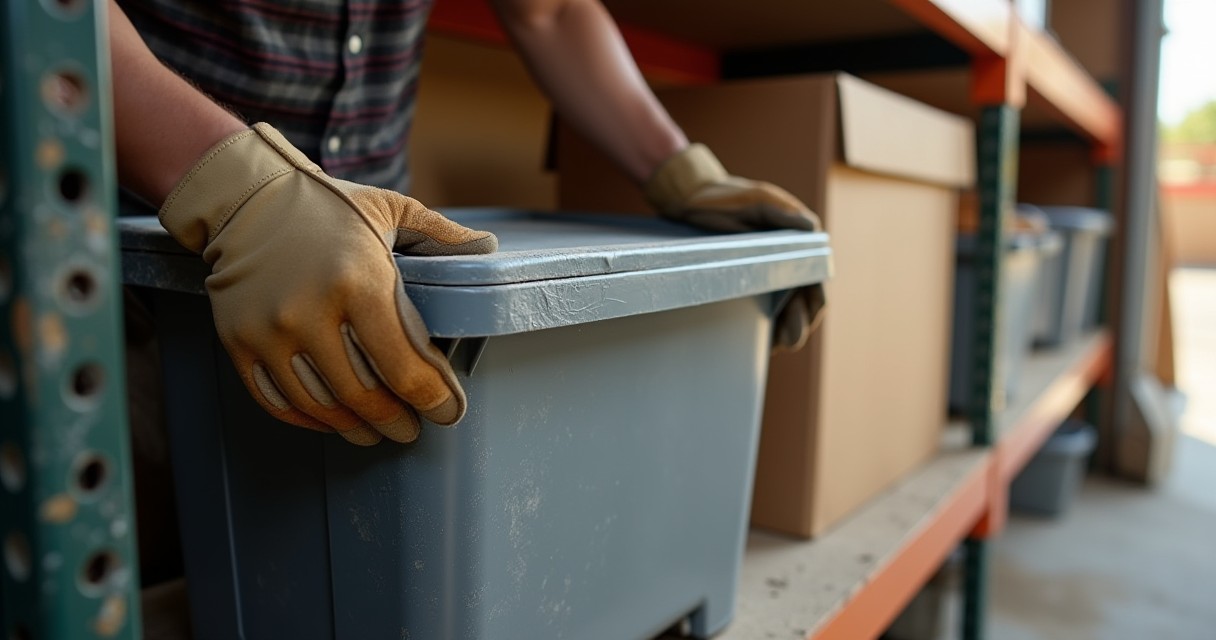
You can also take practical steps to avoid being bitten by venomous species. Since bites usually happen when a spider is pressed against something, you should use protection. Wear gloves when you reach into deep spots. This includes reaching onto garage shelves or inside of sheds. It also applies when moving stacks of old items in storage. Gloves provide a physical barrier between your skin and any hidden spiders. This is the most effective way to prevent an accidental bite while doing yard work.
Prevention Through Exclusion and Treatment
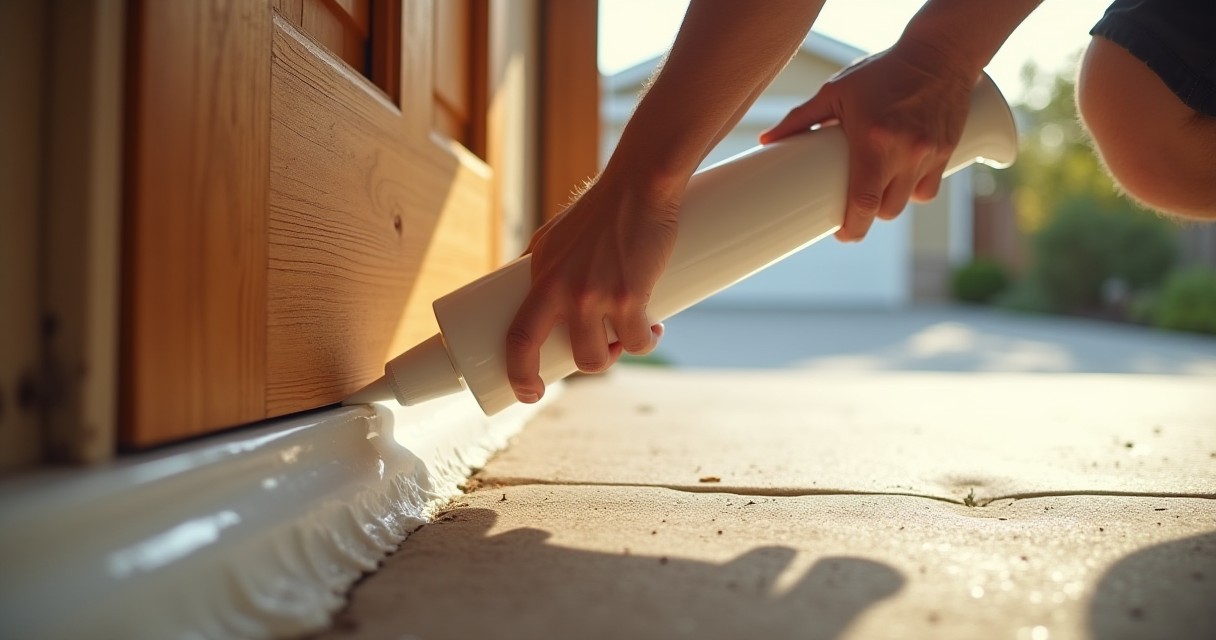
Keeping spiders out of your home requires blocking their paths of entry. You should seal gaps under all exterior doors. These gaps are common places where wandering spiders can crawl inside. You should also check the corner gaps at your garage door. Filling these small openings keeps them from entering your living spaces. When they cannot get inside, they stay in areas where you do not have to worry about them.
General pest control is another very effective way to manage spider populations. While you cannot "kill" every spider, you can remove their food source. Spiders are predators that hunt insects like roaches and ants. If you reduce the number of these pests, the spiders will leave your property to find food elsewhere. This is why many people notice fewer spiders after a professional treatment. The underlying insect activity is handled first.
When you address the bugs that feed the spiders, the spider problem fades naturally. A proactive plan helps keep both insects and arachnids at bay. By treating the perimeter of your home, you create a buffer zone. This keeps the pests out and makes your yard less attractive to spiders. Combining these methods creates a safer environment for your family.
Staying Safe in Your Florida Home
Homeowners often worry about the specific types of bugs in their region. For example, many people worry about brown recluse spiders. It is important to know that brown recluse spiders are not established in Florida. Most bites that people blame on them turn out to be from other insects or spiders. You do not need to worry about this specific species in your neighborhood.
Focusing on the known local issues helps you manage your home better. By identifying the common harmless spiders, you can relax when you see a web. You only need to take extra caution with the widow species. Knowing where they hide allows you to be careful during yard cleanup. Using gloves and sealing doors are simple ways to stay safe.
The goal is to make your home less inviting for pests in general. This includes the insects that spiders rely on for food. If there are no ants or roaches, the spiders have no reason to stay near your walls. Professional pest control services can help with this by treating the perimeter and interior of your home. They target the pests that draw spiders into your living space.
You should also keep your outdoor area tidy. Removing piles of wood or tall grass reduces hiding spots for many bugs. This makes it harder for spiders to find a place to nest. When you clear away debris, you remove the "hiding" factor. You can then enjoy your lanai and garden without worrying about hidden pests.
Your home is your sanctuary in Florida. Dealing with local wildlife like spiders requires a mix of awareness and action. By knowing which spiders are harmless, you can ignore the common ones. By taking steps to block entry points, you keep the dangerous ones out. You can also reduce the food supply for these creatures through regular pest control. This multi-step approach ensures your home remains safe and comfortable throughout the season.
If you notice a significant increase in spiders, it may be time for a professional look. A licensed team can inspect your perimeter for entry points. They can treat the areas where pests gather to feed. This takes the guesswork out of managing your property's pest life. You can then enjoy your outdoor space without concern during the late summer months.
Many neighbors face these same issues every year in Florida. It is a common experience for those living near beautiful coastal and inland areas. By following standard prevention methods, you can keep the pests at bay. Focus on sealing gaps, using proper lighting, and managing the local insect population. These steps will help maintain a clean and safe environment for your family. You can keep your home protected from even the most common of intruders. This proactive approach ensures that your garden remains a place of peace rather than a source of stress.
Dealing with this right now?
Licensed, insured, and local. Free estimates across Volusia and Seminole County.