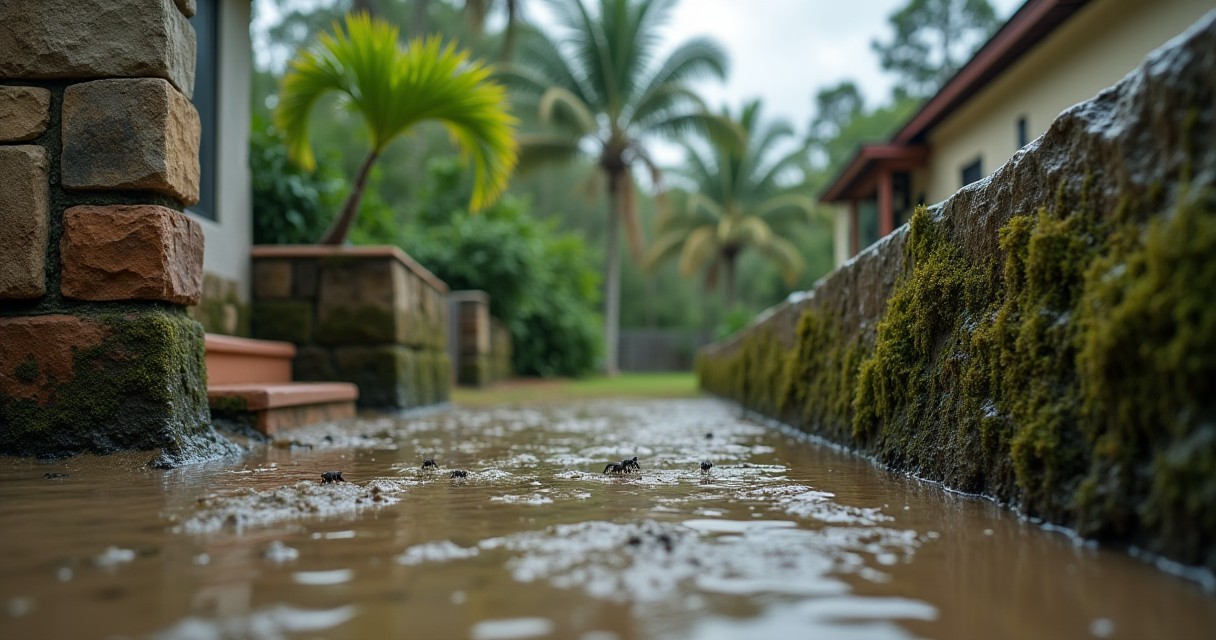
Heavy rains often bring unexpected guests into your home. Florida homeowners frequently see an increase in pests after a storm. These pests enter your living space as they seek safety from the elements. You might notice more roaches or ants in your kitchen after a big rain. Spiders may appear in your hallways when it pours outside. This happens because of how local weather affects insect behavior and habitats.
Florida residents face these issues during hurricane season. The Atlantic hurricane season runs from June 1 through November 30. During this time, storms are common. Central Florida also sees daily afternoon storms throughout the summer months. These rains create perfect conditions for pests to move into your house. They want to stay dry and safe from the rising water levels outside.
Why Pests Move Indoors After Heavy Rain
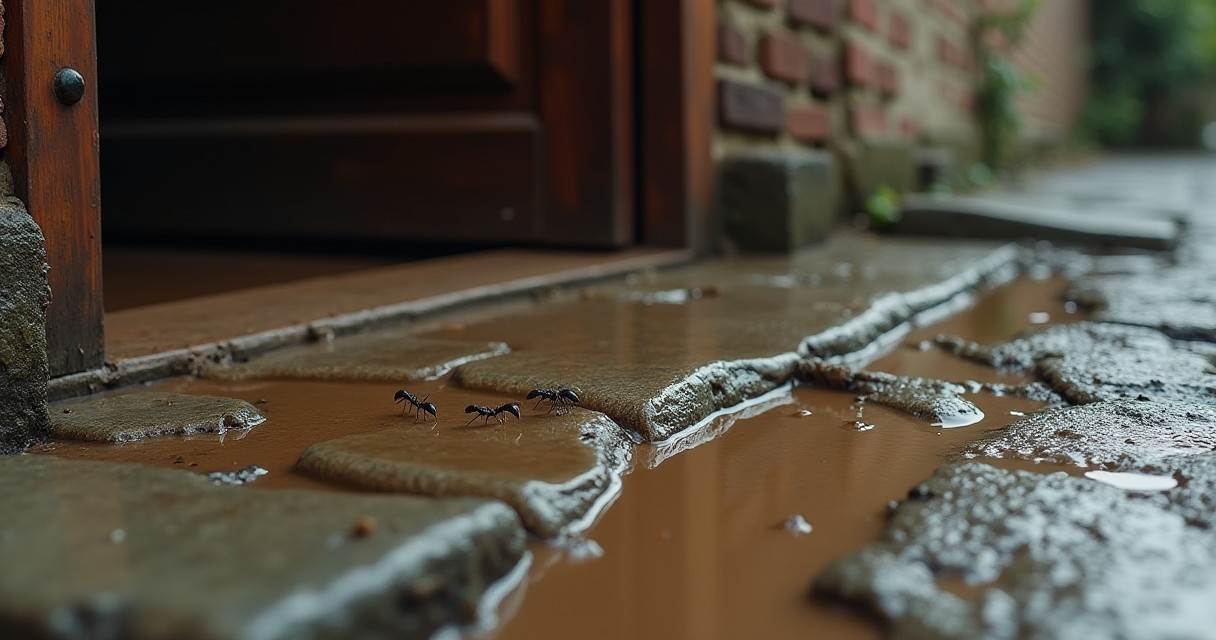
Most pests live in hidden places outdoors. Ants, roaches, and spiders often nest in underground tunnels or ground-level areas. These locations provide them with protection and food. When a heavy storm hits, these habitats can fill up quickly. The rain floods their underground nests and ground harborage. They cannot stay in water for long periods.
When their homes flood, these pests must find dry land fast. They will move toward the nearest source of safety. Your home is often the closest dry shelter available to them. They crawl through cracks or gaps to get inside. This movement happens because they are trying to survive the flooding. They do not choose your home on purpose but see it as a refuge.
Ants are very active during these times. They move in large groups to find new territory. Roaches also seek out dry areas when their ground spots become soaked. Spiders may flee their webs or hiding spots if they get too wet. Each of these pests reacts to the water by seeking higher ground. Your house provides that high ground.
The Unique Behavior of Fire Ants
Fire ants react differently to flooding than other insects. These ants have a unique survival strategy when water rises around them. They can link their bodies together to form floating rafts. These rafts allow the colony to stay above the rising waterline. The raft floats until it reaches some dry ground nearby. This could be your backyard, your patio, or your foundation.
When these rafts reach your home, they do not just disappear. A whole colony may end up right against your house's base. They gather in large numbers near the foundation stones or patio tiles. Because they are so numerous, they can become a major problem quickly. You might see them swarming near entry points after the rain stops. This behavior is a direct result of their survival instinct during floods.
The presence of fire ants near your home indicates a struggle for safety. They were trying to survive the flood by floating. Once they land, they stay in those areas. They may look for ways into your structure if they are crowded together. Dealing with them requires identifying where they landed after their journey. Their movement is a physical reaction to the water levels on your property.
Mosquitoes and Standing Water Problems
Storms often leave behind more than just wet ground. They often leave behind pools of standing water in various places. These puddles become ideal breeding grounds for mosquitoes very quickly. Some species are known as container breeding species. These insects can go from an egg to a flying adult in about one week. This fast growth happens especially well in the warm Florida climate.
Any container that holds water can host these mosquitoes. This includes gutters, buckets, tires, or even small divots in the lawn. You must act quickly to remove this standing water. If you wait too long, the mosquito population will explode. Mosquitoes do not just stay outside; they can enter homes through open doors. They are a significant nuisance for Florida families after heavy rain.
The rapid life cycle of these mosquitoes makes timing very important. Because they grow so fast in the heat, one storm can lead to many mosquitoes in days. You must inspect your yard and property for any spots that hold water. Eliminating these sources is the best way to stop them from breeding near your home. This prevents a small problem from becoming a large infestation of biting insects.
The Role of Storm Debris and Habitat
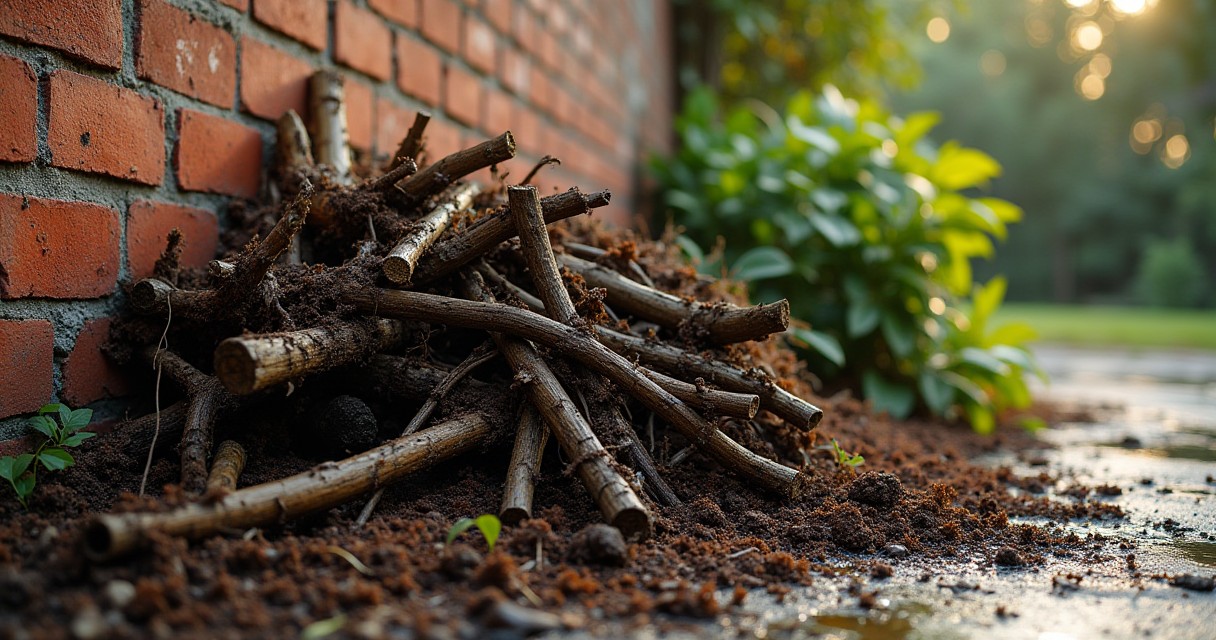
Storms often leave behind physical debris on your property. This includes things like downed tree limbs and soaked mulch. You might also have piles of stacked yard waste in your backyard. These items may sit for several days after the storm passes. If they stay where they are, they create new harborage for pests right next to your house.
Soaked mulch is a prime example of a hazard. It holds moisture and provides a soft place for insects to hide. A pile of branches can also serve as a perfect home for roaches or spiders. When these items sit near your walls, they act like a bridge for pests. They move from the debris into your home's structure. The proximity of this waste to your house is the main issue.
Removing this debris is a critical step in pest prevention. You should clear away all yard waste as soon as possible after a storm. This reduces the amount of hiding spots available near your foundation. If you leave it, pests will stay close to your home. They will use these piles as bases for their colonies. Clearing the land helps create a buffer zone between nature and your living space.
Wind Damage and Entry Points
Wind damage is just as important as water when looking at pest issues. Strong winds during storms can physically damage your home's exterior. These damages often happen in ways that are hard to see at first. For example, high winds can tear holes in window screens. They can also lift the edges of your soffits or roof lines.
Gaps around damaged fascia also become significant problems after a storm. These areas were not open before the wind hit your house. However, they now provide easy pathways for pests to enter. A gap that is only an inch wide might seem small to you. To a roach or a mouse, it is an open door. Wind damage creates these new entry points in a very short amount of time.
You must check your home's exterior after every major storm. Look specifically at the areas where the walls meet the roof and ground. Check for any gaps around pipes or wires. Even small holes can allow pests to move inside during high-pressure events. If you do not seal these, pests will continue to find their way in. Fixing the structure is a key part of keeping your home secure.
Strategic Response to Post-Storm Pests
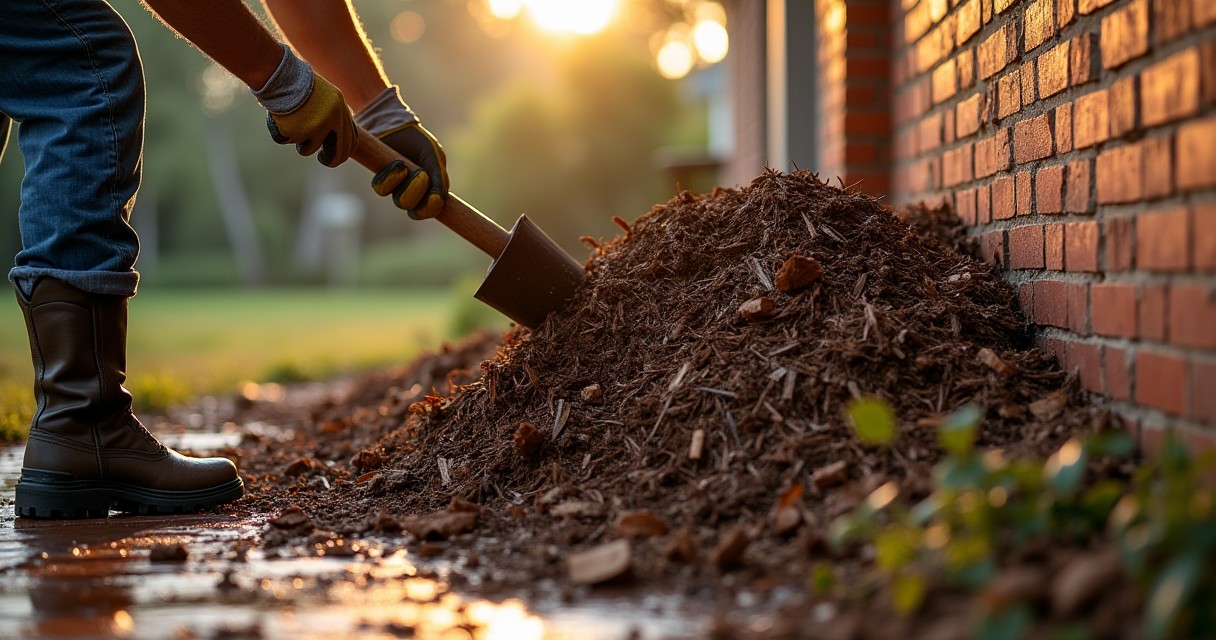
The best way to handle pests after a storm involves several steps. First, you must address the water on your property. You should clear all standing water within a few days of the rain stopping. This stops mosquitoes from starting their life cycle in your yard. Removing these sources is much easier than trying to manage a large mosquito population later.
Next, you should move any debris away from the walls of your home. Move mulch and wood piles at least several feet from the foundation. This removes the "bridge" that pests use to get inside. By moving these items, you make it harder for them to stay near your house. You are essentially taking away their favorite hiding spots right outside your door.
You must also inspect your home's exterior for new gaps. Look for torn screens or broken trim caused by high winds. Seal these openings with proper materials as soon as possible. Closing these holes is a way to block the path for bugs and rodents. This proactive approach stops them from entering before they can cause problems indoors.
The Importance of Exterior Perimeter Treatments
When you decide to call in professionals, the method of treatment matters. Because the pressure for pests comes from the outside, location is key. An exterior perimeter treatment does much more good than just spraying inside. When you treat the outside, you create a barrier at the point of entry. This stops pests before they ever reach your living room.
Treating the interior is often only a temporary fix for a larger problem. If there are gaps in the walls or debris against the house, insects will keep coming back. An exterior treatment targets the ground and the perimeter. It creates a zone that is unattractive to roaches, ants, and spiders. This makes it much harder for them to cross into your home even if they are fleeing rain.
A good perimeter treatment acts as a shield for your property. It covers the areas where pests try to hide after a storm. By focusing on the outside, you address the root cause of the invasion. You stop the movement from the yard to the house. This is the most effective way to keep your home safe and comfortable after a Florida storm.
Professional Help for Your Home
Dealing with pests can be overwhelming after a big storm. Many homeowners find it hard to check every corner of their property. A professional team can help you identify exactly where the issues are. They know what to look for in terms of wind damage and entry points. They can provide a thorough inspection of your entire property.
A licensed company will use the right tools for each type of pest. For example, they can handle fire ants near your foundation. They can also treat for roaches that entered during a flood. They know how to apply treatments that last through the humid Florida season. Having experts ensures that every entry point is sealed and treated correctly.
Working with professionals gives you peace of mind after a storm. You do not have to worry about hidden nests or growing mosquito populations. They provide a long-term solution rather than a quick fix. Their goal is to keep your home a safe place for your family. By focusing on the perimeter, they ensure that pests stay outside where they belong.
Protecting Your Florida Home Long Term
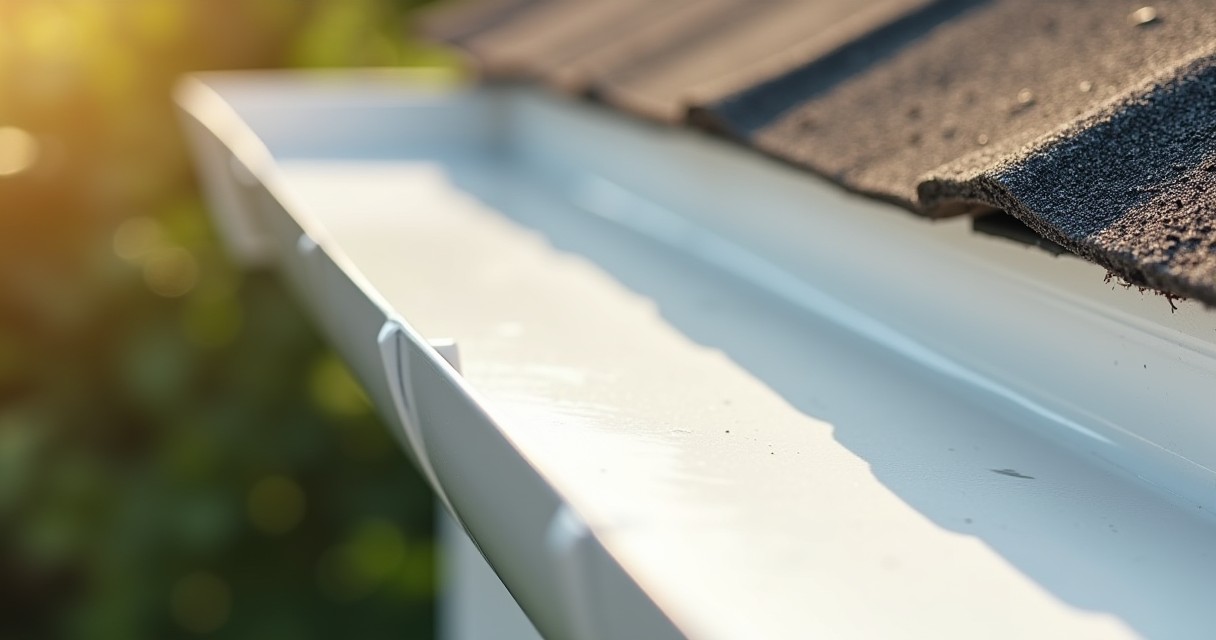
Florida weather brings unique challenges for every homeowner. You must be prepared for both rain and wind impacts. A proactive plan can stop many problems before they start. This includes regular inspections of your gutters and rooflines. It also means keeping your yard clear of debris throughout the year. Keeping a clean perimeter makes it harder for pests to find a home.
When a storm does hit, you should act quickly on your property. Remove the water and move the mulch as soon as possible. Check your screens and soffits for any wind damage. These quick actions can significantly reduce the number of bugs that enter your house. You are taking control of your environment before the pests can take over.
Ultimately, a strong defense starts on the outside of your home. By treating the perimeter, you create a lasting barrier against common Florida pests. This strategy addresses the issues caused by flooding and wind damage. It keeps your indoor spaces clean and bug-free. You can enjoy your home without worrying about what is lurking in the yard after a heavy rain.
Dealing with this right now?
Licensed, insured, and local. Free estimates across Volusia and Seminole County.