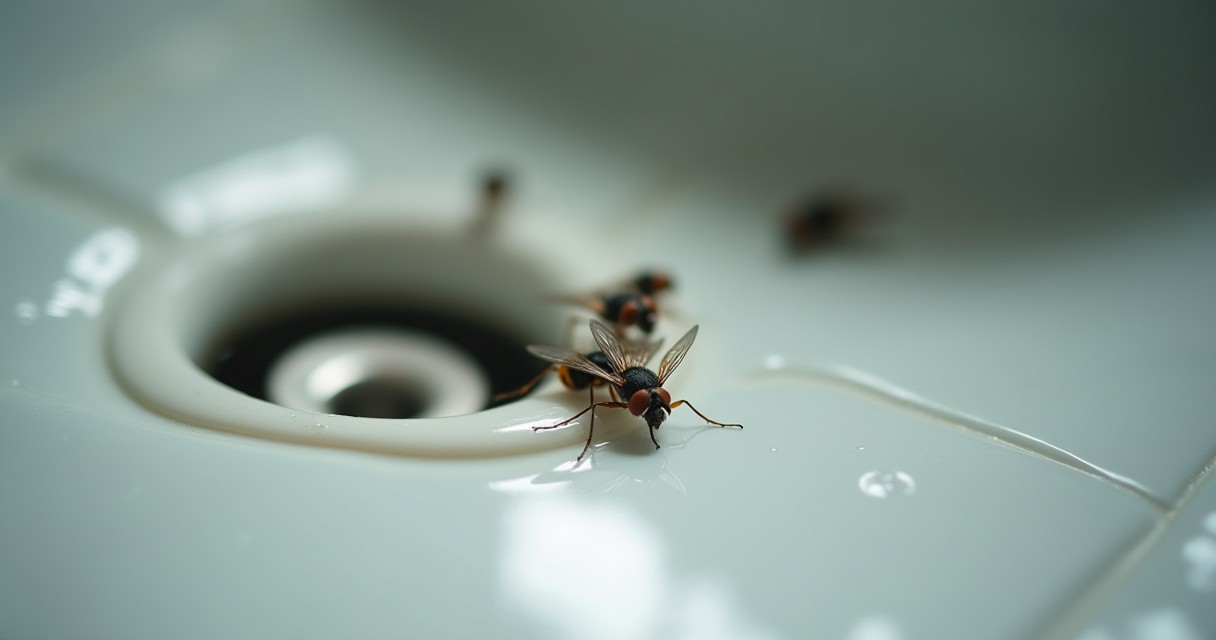
Many homeowners in Central Florida deal with tiny pests in their bathrooms and kitchens. You might see small dark flies hanging around your sink or shower area. These pests are known as drain flies. Identifying drain flies early helps you manage your home's hygiene effectively. These insects often appear in areas where water sits or drains away. They do not fly around like fruit flies do. Instead, they prefer to sit on walls near the pipes.
You might notice these small dark flies and feel frustrated by their presence. They look a bit like tiny moths with fuzzy bodies. You see them most often near floor drains or sink basins. Many people think they are just a minor annoyance. However, their presence usually points to a specific plumbing issue. Understanding why these insects appear is the first step to solving the problem.
Identifying and Understanding Drain Flies
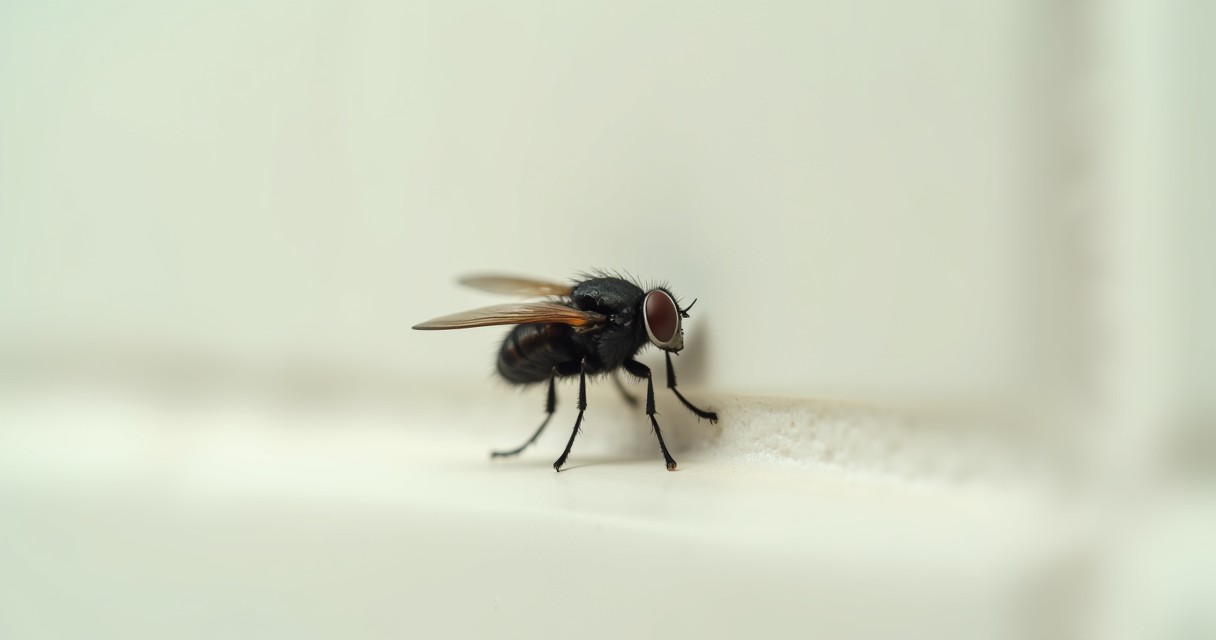
Drain flies have very distinct physical traits that set them apart from other pests. They have small dark bodies and fuzzy wings. These features make them look like tiny moths. Unlike many other flying insects, they do not zip around your kitchen in large groups. Instead, they tend to rest on walls or surfaces near the water source. They stay close to where they breed.
If you see these flies near your sink, you likely have a local breeding site. These pests are attracted to moist environments. They love areas where organic matter decays. This decay provides them with food and a place to lay eggs. In Florida, the warm climate helps them thrive even more. The heat allows them to reproduce very quickly.
The presence of these insects is not just a cosmetic issue for your home. While they do not bite humans or pets, they are a sign of a sanitation problem. Large numbers of flies mean there is a lot of organic material in your pipes. This can indicate that the drainage system is not flowing well enough. It can also mean that waste is sitting too long in the lines.
A large population of these pests means you have a significant amount of buildup. You should address this before it becomes a larger plumbing headache. If you see dozens of flies, the problem is likely deep inside the pipe wall. Cleaning the surface is not enough to stop them from coming back. You must target the source where they live and grow.
The Problem with Organic Film in Pipes
The main reason for these pests is a substance called organic film. This film is a thick layer of slime inside your drain pipes. It consists of hair, soap scum, food particles, and other waste. Over time, this material sticks to the interior walls of the pipe. This sticky gunk creates the perfect environment for life.
This gooey film is the entire problem when it comes to these pests. They do not just land on your sink by accident. They are drawn to the nutrients inside that specific layer of grime. The slime acts as a nursery for their larvae. If you have enough of this material, the population will grow rapidly. You cannot simply ignore the fact that this film exists in your plumbing.
Because the film is so sticky, it stays put even when water flows over it. This makes it hard to flush out with standard cleaning methods. The waste becomes a permanent home for the insects until it is physically removed. If the film remains, the cycle of life continues for the pests. They will hatch, fly out, and then lay more eggs in the same spot.
When you have a heavy buildup of this gunk, your pipes may also drain slower. The slime narrows the path for water to travel through. This can cause odors to rise into your home as well. Dealing with the film solves two problems at once. It improves your drainage and removes the breeding ground for the flies. You must focus on the material inside the pipe rather than just the flies you see.
Why Common Household Methods Fail
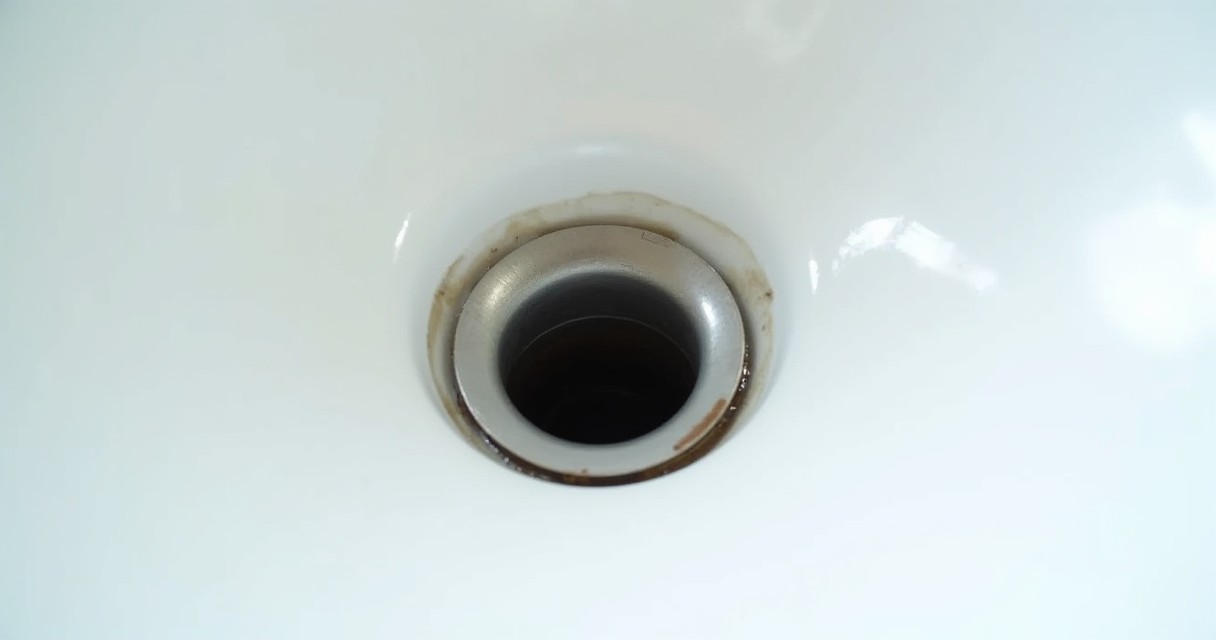
Many homeowners try to solve this issue using common household chemicals. A very common mistake is pouring bleach down the drain. Many people believe that bleach will kill everything in the pipes. While bleach can kill some insects instantly, it does not work against the organic film. The liquid simply flows over the top of the sticky gunk.
The bleach does not soak into the thick layers of debris. Because it cannot reach the deep interior of the slime, the larvae survive. You might see a temporary drop in fly numbers after using bleach. However, the flies will return within a few days. This is because the breeding source was never actually destroyed or removed.
Another common method people try is pouring boiling water down the drain. Some think that heat will cook the pests and melt away the grime. While hot water can clear some minor clogs, it rarely penetrates thick layers of organic matter. The water often cools down too quickly as it travels through the pipe. It does not stay hot enough to break down the old film on the walls.
If you use these methods, you might find yourself frustrated by the returning flies. You are treating the symptom rather than the cause. To stop the cycle, you need a method that physically breaks the grime away. You also need a way to dissolve the organic material that stays behind. Relying on surface-level cleaning will not provide a long-term solution for your Florida home.
Effective Cleaning and Maintenance
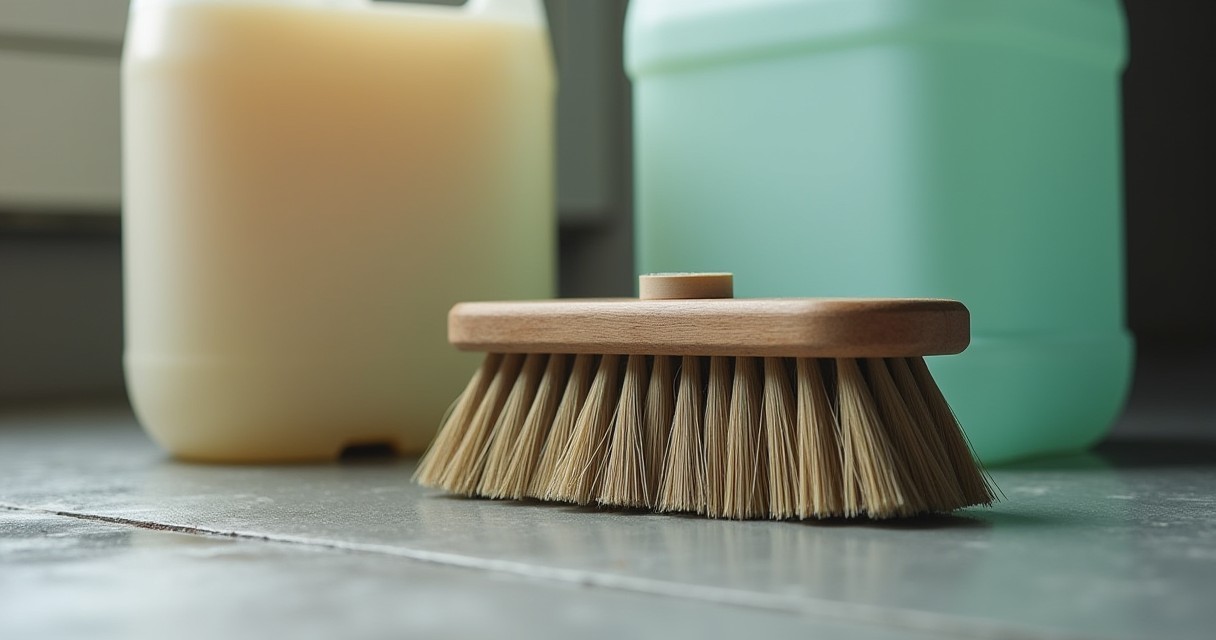
To truly solve the problem, you must use mechanical cleaning methods. A stiff drain brush is an excellent tool for this task. Brushing helps break up the hardened chunks of hair and soap scum. This physical action disrupts the layers where the insects hide. It makes it much easier for other cleaning agents to reach the surface.
After using a brush, you should apply an enzyme or bacterial cleaner. These products are specifically designed to eat away organic material. They contain beneficial bacteria that digest the proteins in the waste. This process breaks down the film into tiny pieces that can be washed away. Unlike bleach, these cleaners work on the source of the problem over time.
By using both a brush and an enzyme cleaner, you break the cycle of infestation. The mechanical action removes the bulk of the material. The biological action cleans up what is left behind. This two-step process ensures that there is no food left for the larvae to eat. When the food source is gone, the flies will stop appearing in your home.
Consistency is also a very important part of maintaining a clean system. You should check your drains regularly, especially during humid months. Florida's weather makes it easy for these pests to multiply quickly. If you keep the pipes clean, they cannot establish a permanent population. A clean pipe stays clear of smells and flies for much longer.
Dealing with Dry Pipes and Special Areas
Sometimes the problem is not just dirty pipes but dry ones. In many homes, guest bathrooms or floor drains are rarely used. When these drains sit empty, the P-trap can dry out over time. The P-trap is a U-shaped pipe that holds water to block sewer gases. If it dries out, the pipe becomes an open entry point for pests.
A dry trap allows insects to travel from the ground or sewers into your home. It also provides a stagnant area where moisture and debris can collect. This makes these locations prime real estate for breeding. You should check guest bathrooms and floor drains regularly to ensure they stay moist. If you notice a drain that is rarely used, it needs special attention.
A simple way to keep these traps sealed is by running water through them weekly. You can pour a bucket of water into the drain once every seven days. This keeps the P-trap full and creates a barrier. A wet trap prevents gases from entering your home and stops insects from crawling up. This is a simple but very effective maintenance step for Florida homeowners.
You should also check your air conditioning condensate lines and drain pans. These are often overlooked areas in Florida homes. Because these systems deal with moisture and dust, they can collect organic debris. If water sits in a pan or a line for too long, it becomes a breeding ground. Checking these specific spots can eliminate hidden sources of infestation that regular cleaning might miss.
Testing for the Source of the Problem
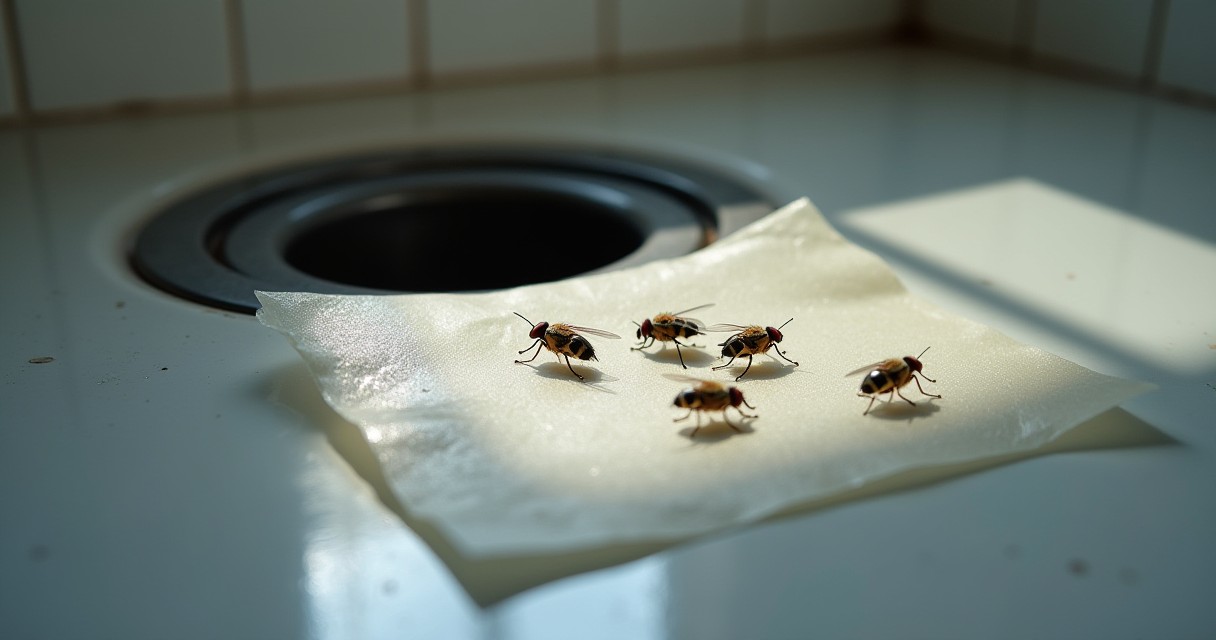
If you are not sure where the flies are coming from, you can perform a simple test. Take a piece of clear plastic tape or a small plastic bag and tape it over a suspect drain. You should leave this in place overnight while everyone is asleep. This prevents the flies from flying away when they emerge from the pipes.
In the morning, check the tape for any caught insects. If you see many flies on the sticky surface, you have found your source. This test helps you pinpoint exactly which pipe needs professional cleaning or treatment. It saves you time by showing you where to focus your efforts. You do not have to guess which drain is causing the issue in your kitchen or bathroom.
If you find a large number of flies on one specific drain, that area requires a deep clean. The presence of many insects confirms that there is significant buildup inside that pipe. This evidence can help you decide when it is time for professional intervention. A targeted approach ensures that your cleaning efforts are effective and permanent.
Professional Help for Persistent Problems
Sometimes, the build-up in the pipes is too heavy for DIY methods to handle. If you have tried brushes and enzyme cleaners but still see flies, the problem may be deep in the plumbing system. At this point, a professional inspection can be very helpful. A licensed team can use high-pressure tools to clear out large amounts of debris.
A professional service like Killzone Exterminating Inc can provide comprehensive solutions. They understand how Florida's climate affects pest behavior and growth cycles. They can identify hidden breeding sites in your walls or under your floors. Their goal is to remove the source of the problem so it does not return. This gives you peace of mind and a cleaner home environment.
Working with experts ensures that the underlying plumbing issues are addressed correctly. They have the tools to reach areas that standard household products cannot touch. For residents in Deltona and throughout Central Florida, professional help can stop the cycle of infestation. A thorough treatment ensures your bathroom and kitchen remain clean and comfortable for your family.
Summary of Prevention Steps
To keep your home free from these pests, follow a few simple rules. First, identify the signs like small dark flies resting on walls near water sources. Second, avoid using only bleach or boiling water as these do not remove the underlying film. Third, use mechanical brushes and enzyme cleaners to break down organic matter. Fourth, ensure all drains have filled P-traps by running water through them weekly. Finally, check your AC lines for hidden moisture issues. By following these steps, you can maintain a healthy home and keep those pesky flies away for good.
Dealing with this right now?
Licensed, insured, and local. Free estimates across Volusia and Seminole County.